Gambling addiction is a growing concern, especially in regions with a high concentration of casinos and slot machines, like the Las Vegas Strip. Slot machine strategies are often sought by both casual players and those looking to beat the odds, but the same tools can be used to mask or even exacerbate problem gambling. Recognizing the signs of gambling addiction early is important, as it can lead to severe financial and personal consequences. This article examines into the psychology behind gambling, the mechanics of slot machines, and the various factors that contribute to problem gambling. We'll explore practical strategies for managing gambling habits, including responsible play initiatives, bankroll management, and understanding the legal protections available to those struggling with addiction. By the end, readers will have a comprehensive understanding of the complexities surrounding slot machine strategies and gambling addiction, equipped with the knowledge to make informed decisions and seek help when needed.
- Recognizing Red Flags: Problem Gambling Symptoms
- How Gambling Addiction Affects Your Brain
- Best Online Resources for Gambling Addiction Recovery
- Avoid Common Mistakes: Slot Machine Strategies
- Local Support Near You: Finding Gambling Help
Recognizing Red Flags: Problem Gambling Symptoms
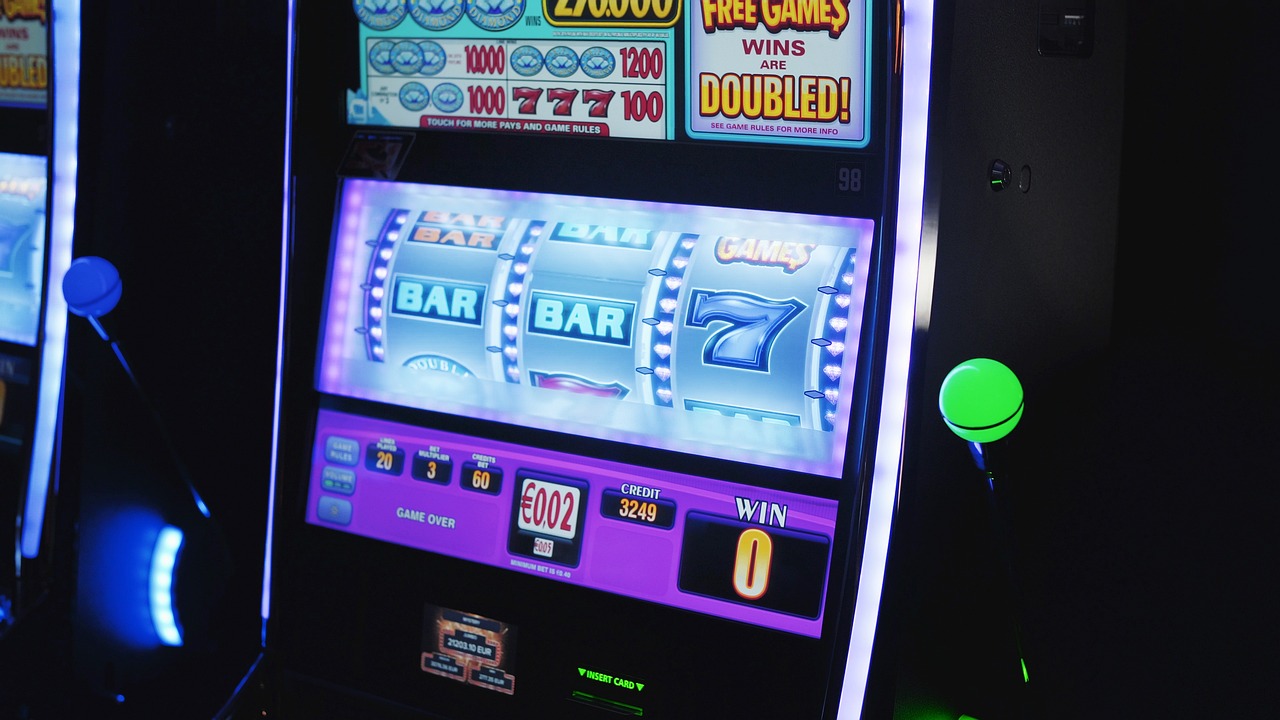
Recognizing Red Flags: Problem Gambling Symptoms
Problem gambling, particularly in the context of slot machine play, is a hidden challenge that impacts individuals across demographics. Unlike a physical hazard, it leaves no visible scars, making it hard for even the closest companions to recognize. However, there are clear signs and symptoms that, when noticed, can prompt individuals to seek help. The first step in addressing problem gambling is understanding its insidious nature.
Experienced slot machine bankers and certified slot machine experts alike emphasize the importance of recognizing patterns. Repeated visits, despite losing, and spending more than intended are red flags. Data from the National Council on Problem Gambling shows that problem gambling costs Americans billions annually, with a significant portion attributed to slot machine play. If a person finds themselves craving the thrill of a win, or feels compelled to return to the casino to "recover" losses, it could indicate a deeper issue. Some individuals may even lose track of time while playing, a behavior often noted in reviews of slot machines that trigger addictive responses.
problem gambling often leads to a range of negative consequences, from financial strain to strained relationships. Individuals may borrow money to fund their gambling, hide their habits, or even commit crimes to support their addiction. In extreme cases, gambling addiction can result in homelessness or suicide, as highlighted in a study by the American Psychological Association. Recognizing these symptoms early is important. The service can be helpful, but for those struggling, professional help is essential. Organizations like the Gamblers Anonymous offer support groups where individuals can connect with others facing similar challenges. Implementing effective bankroll management systems, as discussed in our guide to advanced slot machine techniques, can also be a double-edged sword—if not used mindfully, they might enable prolonged play and worsen problem gambling.
How Gambling Addiction Affects Your Brain
Gambling addiction, a complex brain disorder, can transform the way you interact with slot machines and other forms of gambling. It's not simply a lack of self-control; it's a profound alteration in brain chemistry and neural pathways. The brain's reward system, heavily influenced by dopamine, becomes imbalanced, leading to compulsive gambling behavior. Regular slot machine play, even at affordable levels, can contribute to this imbalance, especially when combined with other risk factors.
a study by the National Institute on Alcohol Abuse and Alcoholism (NIAAA) found that individuals with gambling disorders showed reduced sensitivity to dopamine, indicating a potential biological basis for addiction. This is particularly relevant in the context of slot machines, where the random nature of rewards, often disguised as "near misses," can reinforce addictive behaviors. The psychological and emotional aspects of gambling, coupled with these neurological changes, create a powerful incentive for continued play, even in emergency situations when funds are low.
The impact of addiction on the brain can be profound and long-lasting. Over time, the brain craves the rush of dopamine associated with winning, leading to a cycle of chase and loss. This can result in a distorted sense of reality, where the individual believes they are close to winning a life-changing jackpot, even when statistics and probabilities say otherwise. The allure of progressive slots, with their growing jackpot pools, can be particularly enticing in these situations, representing both a potential financial win and a continuation of the addiction cycle.
Seeking help is important for those struggling with gambling addiction. The service, while valuable for responsible players, take on a different dimension when considering the needs of problem gamblers. The service, as a field, must acknowledge and address the unique challenges faced by those seeking recovery. This includes affordable and accessible resources, as well as tailored strategies for emergency situations where impulsive gambling can occur. Support groups, such as those offered by Gamblers Anonymous, provide a community-driven approach to recovery, offering a safe space to share experiences and learn from others who understand the struggle. Remember, addiction is a treatable condition, and taking the first step towards help is a powerful act of self-care.
Best Online Resources for Gambling Addiction Recovery
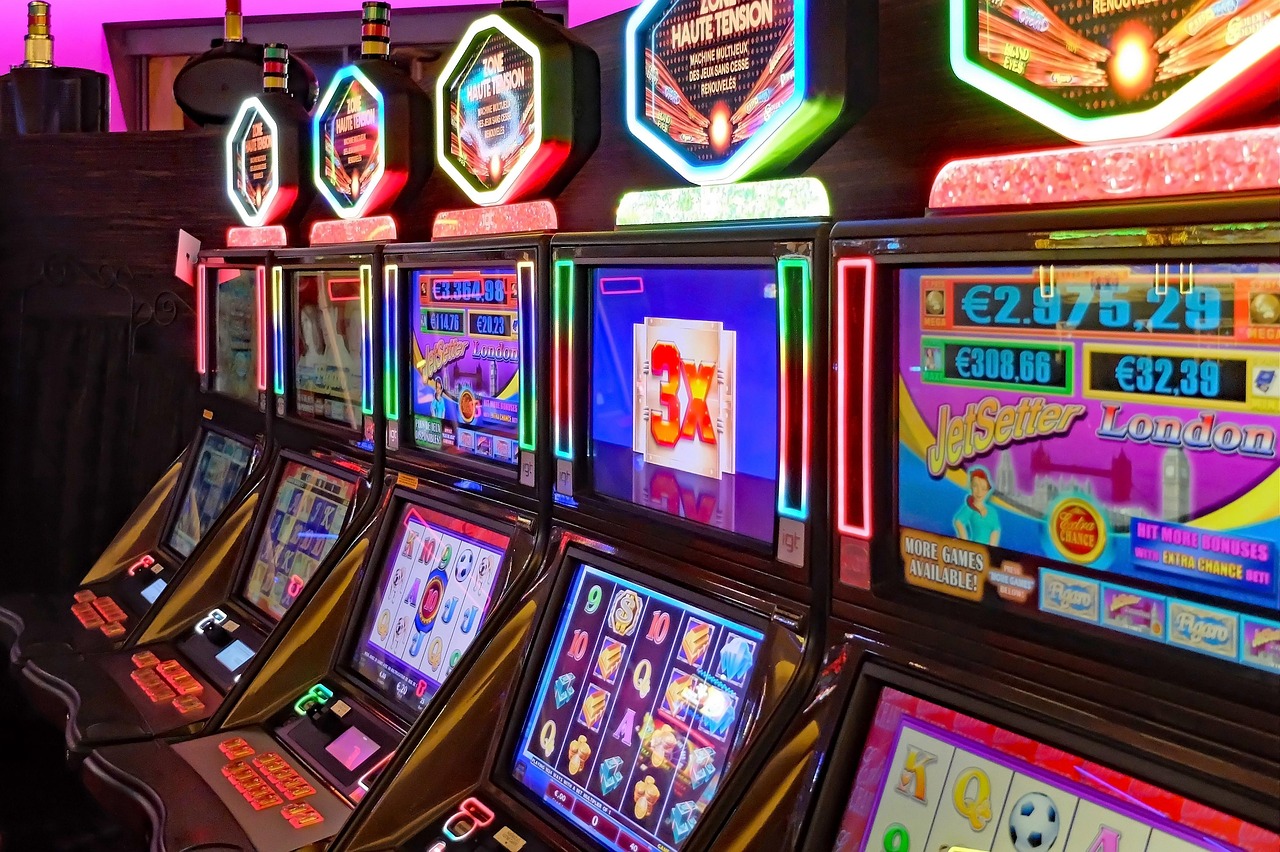
Problem Gambling: Recognizing the Signs and Seeking Help
Gambling addiction is a serious issue that can impact individuals and communities. It's critical to understand that problem gambling is not just about losing money; it's about a loss of control that can affect one's mental and physical health, relationships, and financial stability. Recognizing the signs early is important for seeking help and implementing effective the service for responsible play.
the National Council on Problem Gambling reports that nearly 10 million people in the U.S. Struggle with a gambling addiction, with slot machines being one of the most commonly used gambling products. This highlights the pressing need for accessible resources to support those in need. Fortunately, there are numerous online resources available for gambling addiction recovery, offering guidance, support, and tools tailored to different needs. These resources are vital in complementing traditional treatment methods, especially for those who may feel uncomfortable seeking help in person.
The best online resources for gambling addiction recovery include platforms that offer a combination of education, peer support, and access to experienced slot machine bankers. Websites like Gamblers Anonymous (GA) provide a network of peer support groups that meet both online and in-person, fostering a sense of community and accountability. Reputable gambling counseling services like BetterHelp and Talkspace offer personalized therapy sessions through video chat, making professional help more accessible and affordable. These platforms often feature experienced therapists who specialize in gambling addiction and can provide tailored the service for recovery.
Affordable the service are important, especially for those who are still engaging in gambling activities. Implementing self-exclusion programs, setting daily or monthly spending limits, and using bankroll management systems can help maintain control and prevent relapse. Many online resources offer detailed guides on these strategies, along with tools to track spending and losses, enabling individuals to make informed decisions. By combining these resources and adopting proven the service, those struggling with gambling addiction can take significant steps towards recovery, reclaiming their lives and financial well-being.
Avoid Common Mistakes: The service

Avoiding Common Pitfalls in Slot Machine Play: Strategies for Responsible Gaming
For the service, it's important to avoid emergency play and embrace a thoughtful approach. Many players fall into the trap of chasing losses or believing in the myth of "same-day slot machine wins," which can lead to significant financial problems. The psychology of gambling, heavily influenced by B.F. Skinner's reinforcement theory, can make these behaviors seem compelling, but understanding the true odds and volatility of slot machines is essential. A study by the University of Nevada found that 70% of players overestimate the likelihood of winning, often relying on short-term, positive experiences.
Niche Strategies and Their Pitfalls
Some players attempt high-risk, niche the service, such as betting max on every spin or using a specific sequence of pulls. However, these methods have not been proven effective and can lead to rapid depletion of bankrolls. Progressive slots, for example, have unpredictable payoffs, and the house edge remains constant regardless of how long or how much you play. A 2022 report by the Nevada Gaming Control Board highlighted that while progressive jackpots can be enticing, the odds of hitting them are often as slim as 1 in millions.
Focus on Bankroll Management and Responsible Play
Instead of relying on quick fixes or chasing myths, Slot Strategy Guides recommend a strong focus on bankroll management. Set a budget for each gaming session and stick to it. Remember, slots are a form of entertainment, not a guaranteed income. By treating slot machine play like a game with fixed odds and volatile outcomes, you can better manage your expectations and avoid the temptation of emergency play. Regularly assess your losses and wins, and consider implementing self-exclusion programs if you notice a pattern of problematic gambling. By prioritizing responsible play, you can enjoy the thrill of slots without putting yourself at unnecessary risk.
Local Support Near You: Finding Gambling Help
Problem Gambling: Recognizing the Signs and Seeking Help
Gambling addiction can slip under the radar, especially in a bustling city like Las Vegas, where the Strip's casinos offer a seemingly endless supply of excitement and allure. The flash of lights, the jingle of slot machines, and the promise of life-changing wins can mask a dangerous game. Recognizing the signs of problem gambling is important, and understanding where to find local support is essential for those seeking help.
Local slot machine tips and strategies can make a significant difference for beginners navigating the machines, especially when trying to understand the difference between a random win and a genuine gambling problem. Casinos in the Las Vegas area report that nearly 1 in 5 visitors (18%) struggle with gambling addiction, highlighting the pressing need for accessible, same-day support services. If you or someone you know has experienced 1-3 seemingly unexpected slot machine wins and then prolonged play or financial strain, it may be a sign of a deeper issue.
The good news is, support groups and counseling services are readily available, often with same-day access. In Las Vegas, for example, local organizations like the National Problem Gambling Clinic offer walk-in counseling sessions tailored to individuals and families affected by gambling addiction. These services are confidential and non-judgmental, providing a safe space for individuals to discuss their experiences and explore options for recovery. The National Gambling Help Line, a 24/7 resource, connects callers with trained counselors who can offer immediate assistance and guidance.
Remember, seeking help is a proactive step towards managing gambling habits and reclaiming control. Slot Strategy Guides, whether local or from renowned experts, can provide initial insights, but for personal challenges, local support tailored to your community is invaluable. By recognizing the signs and taking that first step, you can begin a journey towards healthier gambling habits and a brighter future.
Frequently Asked Questions About Problem Gambling: Recognizing the Signs and Seeking Help
What is problem gambling? Problem gambling is a term for gambling behavior that is out of control, causing significant issues in a person's life. It's characterized by a preoccupation with gambling, excessive time spent gambling, and continued gambling despite negative consequences. Unlike casual or social gambling, problem gambling can lead to financial, personal, and legal problems. According to the American Psychiatric Association, diagnostic criteria for gambling disorder have been in place since 2013.
How do I know if I have a problem? Recognizing problem gambling involves understanding changes in your behavior and well-being. Signs include spending more money on gambling than intended, needing to gamble larger amounts to feel excited, and experiencing strong urges or cravings to gamble. Other indicators are borrowing or stealing money to gamble, losing track of time while gambling, and being unable to fulfill personal or professional obligations due to gambling.
How common is problem gambling? Problem gambling affects a significant portion of the population. In the United States, approximately 3 million adults meet the criteria for gambling disorder, according to the National Institute on Drug Abuse. This number includes both casino and online gambling. The rate among young adults aged 18-24 is even higher, with studies suggesting up to 6% of this demographic struggling with problem gambling.
What are the financial risks of problem gambling? The financial risks associated with problem gambling are substantial. Individuals often lose money they can't afford to lose, leading to mounting debts. Gambling debts can spiral out of control, affecting housing, utilities, food, and other basic necessities. Some individuals turn to high-interest loans or even engage in illegal activities to pay off gambling debts, exacerbating the problem.
How does problem gambling impact personal relationships? Problem gambling can strain personal relationships in several ways. The time spent gambling often reduces time available for family and friends. The financial strain caused by gambling losses can lead to arguments and conflict. Relationships may also suffer due to lies, secrecy, or guilt associated with gambling behavior, creating a cycle of distrust and resentment.
When should I seek help? If you or someone close to you is experiencing several signs of problem gambling, it's important to seek help. Regardless of the severity, recognizing the issue is the first step towards recovery. There are numerous resources available, including counseling, support groups, and self-help programs. Don't hesitate to reach out to professionals who specialize in gambling addiction for guidance and support.
What are my choices for treatment? Treatment options for problem gambling include individual therapy, group therapy, and support groups. Cognitive-behavioral therapy (CBT) has proven effective in helping individuals change their relationship with gambling and manage urges. Medication may also be prescribed to manage co-occurring conditions like depression or anxiety. Some people benefit from 12-step programs, similar to those used for substance abuse, to achieve long-term recovery.
In addressing the complex issue of problem gambling, this article has examined into several critical facets, offering a practical guide for recognition, prevention, and recovery. By exploring the psychology of gambling, the impact of addiction on the brain, and the role of the service, readers gain a multifaceted understanding of this pervasive problem. Key insights include the importance of recognizing early signs, such as increased time spent gambling and loss of control, and the fact that gambling addiction can trigger significant brain changes, affecting impulse control and decision-making.
The article also highlights the growing availability of online resources for recovery, providing a digital support network for those seeking help. It urges readers to avoid common pitfalls, like pursuing quick fixes or relying solely on luck, emphasizing the need for responsible play and, where necessary, professional assistance. It underscores the significance of local support, directing readers to find gambling help through community resources and self-exclusion programs.
Practical next steps include setting personal limits, learning about Return to Player (RTP) rates, and engaging with casino tournaments as a low-risk form of entertainment. For those struggling, reaching out to support groups or seeking counseling can be major. By integrating these strategies, individuals can handle the world of gambling with greater awareness and responsibility, ensuring a healthier relationship with games of chance.
Problem gambling, particularly with slot machines, is a hidden crisis with serious consequences. Recognize red flags like frequent visits, spending more than intended, and craving wins. Gambling addiction impacts brain chemistry, leading to compulsive behavior and long-term issues. Seek help through support groups like Gamblers Anonymous and access online resources offering counseling and tailored strategies. Avoid emergency play and implement responsible bankroll management systems. Local slot machine tips can guide beginners, but for struggles, same-day local support is important.