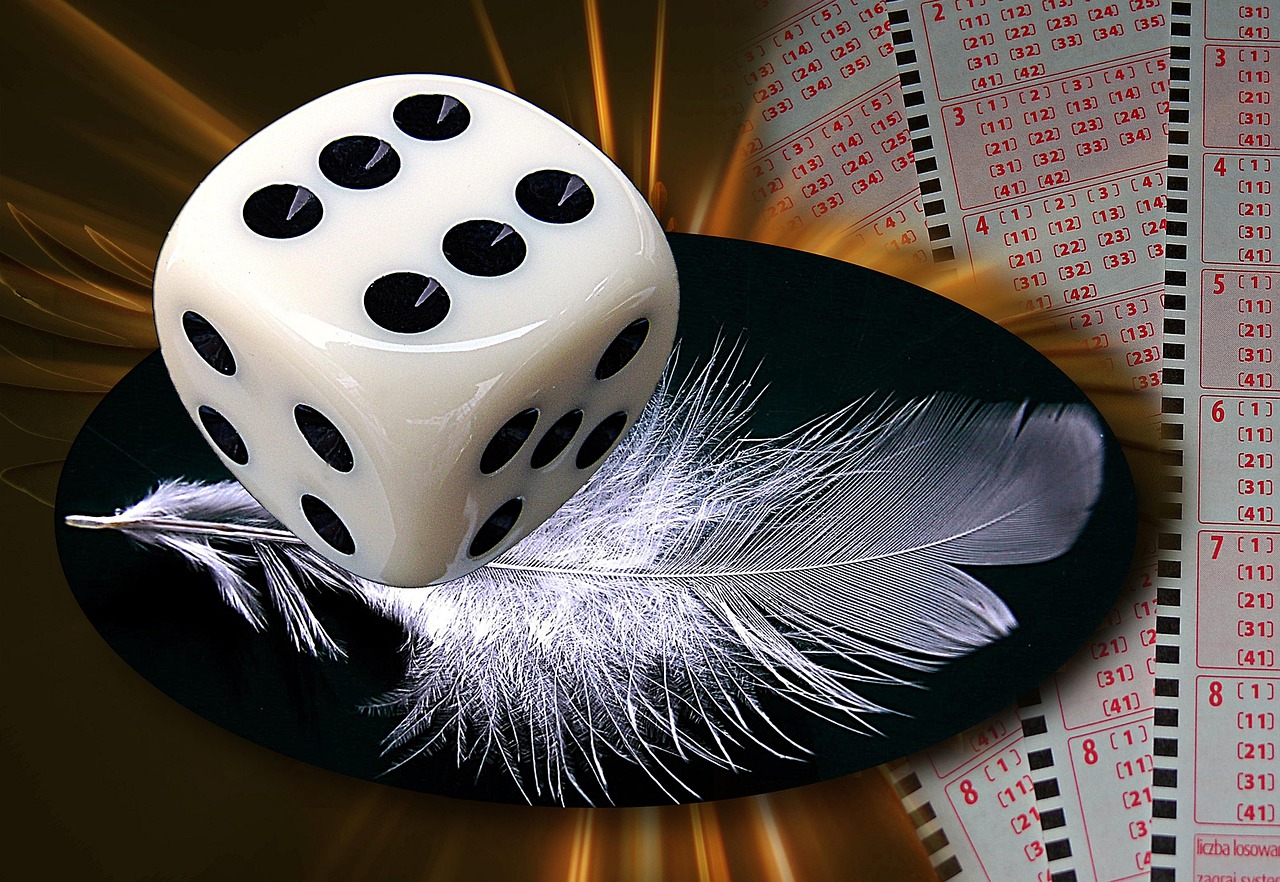
Gambling addiction is a growing concern, with slot machines being a significant contributor to this problem. The search for help and understanding the signs is a critical step for those affected and their families. This article examines the complex world of problem gambling, particularly focusing on slot machine strategies and the tools to recognize and address addiction. We explore the psychology behind gambling, from the influence of casinos on the Las Vegas Strip to the role of B.F. Skinner's behavioral theories. It provides practical insights into managing gambling habits, including bankroll management, understanding RTP (Return to Player), and navigating the legal and regulatory frameworks surrounding slot machines. By the end, readers will have a comprehensive understanding of problem gambling's scope and the resources available for support.
- Recognizing Problem Gambling: Signs to Watch For
- How to Overcome Slot Machine Addiction
- Best Support Groups for Slot Strategy Recovery
- Common Mistakes in Addressing Gambling Issues
- Local Resources: Near Me for Slot Machine Help
Recognizing Problem Gambling: Signs to Watch For

Recognizing problem gambling early is crucial, especially in the fast-paced environment of slot machines. While playing slots can be an enjoyable pastime, excessive or uncontrolled engagement can lead to serious issues. Here are key signs to watch for, as well as reliable slot machine bonuses and affordable strategies to help players make informed decisions and maintain a healthy relationship with gambling.
The psychology of gambling, influenced by the work of B.F. Skinner and his principles of operant conditioning, matters in slot machine strategies. Players may find themselves seeking the thrill of a big win or the dopamine rush associated with bonus games and progressive jackpots. However, persistent chasing of losses or playing beyond one's means can indicate a problem. It's important to remember that slot machine paylines and volatility levels vary, and some machines are designed to encourage prolonged play, often with high-end rewards for the most dedicated players.
Beyond individual behavior, certain technical aspects of slots can impact play. Progressive slots, for instance, offer massive jackpots that attract players, but their inherent volatility means wins are not guaranteed. Understanding Return to Player (RTP) percentages and the random number generator (RNG) that governs outcomes is essential. Knowledgeable players can use this information to choose games that align with their risk tolerance and desired playstyle, whether that means affordable, low-stake slots or high-volatility options with the potential for life-changing wins.
Seeking help is a vital step for anyone concerned about problem gambling. Many casinos and online platforms offer support groups, self-exclusion programs, and responsible play initiatives. Slot strategy guides, like those provided by reputable sources, can also offer valuable insights into managing gambling habits. By combining a thorough understanding of slot machine strategies, the psychology of gambling, and the technical aspects of different games, players can make informed choices and play responsibly, ensuring that slots remain a form of entertainment rather than a source of concern.
How to Overcome Slot Machine Addiction

Overcoming slot machine addiction requires a multi-faceted approach, combining strategic adjustments, psychological understanding, and responsible play practices. For those struggling with a dependence on slot machines, the first step is often recognizing the signs of addiction and accepting the need for help. This recognition can be facilitated by understanding the psychology behind gambling, as well as the specific mechanics of slot machines.
Slot machines, with their carefully designed paylines, symbols, and bonus triggers, are engineered to keep players engaged and, in many cases, to encourage repeat play. The Psychology of Gambling teaches us that the anticipation of a win, even in the face of frequent losses, can be addictive. Recognizing this and understanding the Random Number Generators that govern outcomes can empower players to adopt more balanced strategies. Setting clear spending limits and taking regular breaks from play can help mitigate the potential for addiction.
Beyond individual strategies, trusted slot machine sites and support groups offer valuable resources. These platforms can provide detailed advice on bankroll management systems, which allocate funds according to a player's risk tolerance and financial goals. They also offer spaces for community engagement, where individuals can share experiences, exchange tips, and gain insights from fellow players. Slot Strategy Guides, for example, often recommend progressive slots as a way to increase potential wins over time, but they also emphasize the importance of understanding the game's volatility and setting realistic expectations.
The cost analysis of slot machine play is another critical aspect. While the average bet or play session may seem insignificant, the cumulative effect of frequent visits and high stakes can quickly add up. Local slot machine tips, like tracking one's play and setting self-exclusion limits, can help players maintain control and avoid overspending. By combining these strategies, players can enjoy the entertainment value of slot machines while minimizing the risk of addiction and ensuring that their gaming remains a form of leisure rather than a source of financial strain.
Best Support Groups for Slot Strategy Recovery

When facing problem gambling related to slot machine strategies, support groups offer a vital resource for recovery. These groups provide a safe, non-judgmental space to connect with others facing similar challenges. Slot Strategy Guides recommends seeking out groups that specifically cater to individuals struggling with the complexities of slot machine gameplay.
Top-rated slot machine apps and licensed online slot casinos often offer resources for responsible gambling, including links to support groups. These platforms may feature integrated tools for setting spending limits, self-exclusion options, and even notifications that alert you if you've reached certain wagering thresholds. Reliable slot machine bonuses, such as welcome bonuses or loyalty rewards, can also incentivize players to use these tools and connect with support.
One effective approach is to look for support groups focused on specific types of slot machine play, like those targeting progressive jackpots or high volatility slots. These groups can offer tailored insights and strategies for managing risk and recognizing when play becomes problematic. A group dedicated to progressive slot machines might discuss progressive jackpot pools, bonus triggers, and responsible bankroll management systems, providing a more targeted support network.
Common Mistakes in Addressing Gambling Issues

Many individuals facing gambling problems make mistakes that hinder their ability to seek help and recover. Recognizing these pitfalls is crucial for developing effective coping strategies. One common error is underestimating the severity of the issue. Problem gambling can progress insidiously, making it easy to ignore early signs. Casual visitors to nearby casino slot tournaments might not realize their gaming habits have become problematic until significant losses accumulate.
Another mistake is relying solely on willpower to quit. Gambling addiction, like any compulsion, often requires more than personal resolve. Self-exclusion programs, offered by many top-rated slot machine apps, can be effective, but they are not a universal solution. Experienced slot machine bankers suggest combining self-help tools with professional guidance. Counseling can teach individuals strategies to manage impulses and develop healthier coping mechanisms.
Some individuals hesitate to seek help due to stigma or fear of judgment. It's essential to remember that problem gambling is a recognized behavioral disorder, not a sign of weakness. There are numerous support groups, both online and offline, offering non-judgmental spaces for sharing experiences and gaining support. By understanding these common missteps, individuals can take proactive steps towards recovery, utilizing resources like Slot Machine Strategies for a brighter future.
Local Resources: Near Me for Slot Machine Help
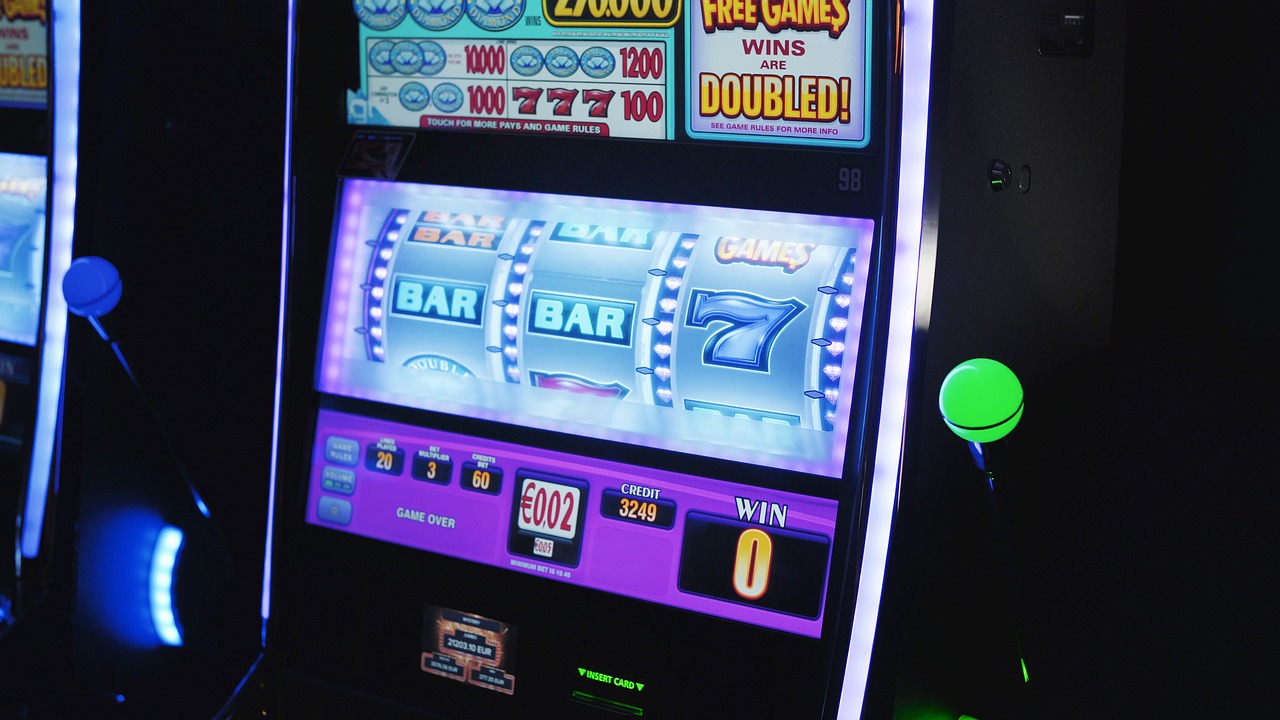
When problem gambling becomes a concern, it's crucial to know where to turn for help. Local resources play a vital role in supporting individuals facing challenges related to slot machines, both in physical casinos and in the digital realm. The first step is to recognize the signs of problematic gambling, which can manifest in various ways, such as losing track of time, chasing losses, or gambling money meant for essential expenses. Once identified, seeking support from nearby services can make a significant difference.
In many areas, dedicated support groups and counseling services specialize in gambling addiction. These groups often meet in community centers, churches, or other accessible locations, providing a safe space for individuals to share experiences and learn from one another. Local chapters of renowned organizations like Gamblers Anonymous offer peer-to-peer support and a 12-step program modeled after Alcoholics Anonymous. Licensed therapists and counselors can provide professional help, offering strategies to manage gambling urges and develop healthier habits.
For those seeking more specific guidance, affordable slot machine strategies can be found through community outreach programs and local libraries. Some libraries offer workshops and resources on responsible gambling, teaching players about the odds, paytables, and volatility of different slot machine games. These initiatives aim to empower individuals to make informed choices, ensuring they enjoy gaming without risking unnecessary losses. Reviewing strategies through local gaming forums or online communities can provide insights into responsible playing practices, while also offering a space to connect with like-minded individuals. Slot Strategy Guides, for example, can be adapted to fit diverse preferences and budgets, ensuring that local players have access to effective, personalized advice.
Frequently Asked Questions About Problem Gambling: Recognizing the Signs and Seeking Help
What is problem gambling? Problem gambling, or gambling disorder, is characterized by an uncontrollable urge to gamble despite negative consequences. It's marked by persistent and recurrent behavior, including the need to gamble larger amounts to achieve the desired excitement, and a preoccupation with gambling that interferes with daily life. This disorder can lead to severe financial, interpersonal, and psychological problems.
How do I know if I have a gambling problem? Recognizing a gambling problem involves understanding changes in your behavior and emotional state. Signs include: frequent gambling urges, a need to gamble larger amounts, losing track of time while gambling, feeling irritable or anxious when unable to gamble, and prioritizing gambling over other responsibilities. If these behaviors are causing distress or harm, it may be a gambling disorder.
What are the risks of problem gambling? Problem gambling can lead to severe financial ruin, including debt, bankruptcy, and loss of employment. It can also cause significant relationship problems, legal issues, and impact mental health. The risk of suicide is higher among individuals with gambling disorders, and they may also experience feelings of shame, guilt, and depression.
How do I seek help for problem gambling? The first step is to acknowledge the problem and reach out for support. Many organizations offer confidential counseling and support groups, such as Gamblers Anonymous. Professional therapy, including cognitive-behavioral therapy, can help individuals understand and change their gambling behaviors. Medication may also be prescribed to manage co-occurring conditions like depression or anxiety.
How long does it take to get help for problem gambling? The duration of treatment varies depending on the severity of the disorder and individual needs. Some individuals may see improvements within a few weeks, while others may require several months of therapy and support. Relapse is common, so ongoing treatment and participation in support groups are crucial for long-term recovery.
Are there costs associated with seeking help? While some services may be covered by insurance, the cost of seeking help for problem gambling can vary. Many organizations offer free or low-cost counseling, and support groups are typically free. Private therapy sessions can range from $50 to $200 or more per session, depending on location and therapist.
Can problem gambling be cured? Problem gambling is a chronic condition, and while it cannot be "cured" in the traditional sense, it can be successfully managed. Many individuals learn to control their impulses, avoid triggers, and develop healthier coping mechanisms. Long-term recovery involves ongoing commitment to treatment, self-care, and support from friends and family.
Understanding and addressing problem gambling, especially for strategies, requires a multifaceted approach. This article has provided insights into recognizing the signs of a slot machine addiction, offering strategies for recovery, and highlighting the importance of support groups tailored to slot strategy recovery. By discussing common mistakes in addressing gambling issues, it equips readers with awareness and guidance to navigate this complex landscape effectively.
The article emphasizes the value of local resources and community engagement, directing readers to nearby support for slot machine help. These resources can play a crucial role in one's recovery journey, offering a network of support and shared experiences.
Practical next steps include familiarizing oneself with the psychology of gambling and the technical aspects of slot machines, such as paylines and random number generators. Engaging in responsible play, utilizing bankroll management systems, and taking advantage of loyalty programs and bonus offers can also contribute to healthier gambling habits.
Recognizing the signs, seeking help, and adopting a proactive approach are key to managing and overcoming slot machine addiction. By leveraging the knowledge and resources provided, individuals can make informed decisions and take positive steps towards a more balanced and controlled relationship with strategies.
Recognize problem gambling early, especially with slot machines, by watching for signs like persistent chasing of losses or playing beyond means. Combine this with understanding slot machine psychology, mechanics (RTP, RNG), and responsible play strategies. Seek help from support groups, self-exclusion programs, and counseling. Utilize slot strategy guides, bankroll management systems, and responsible gambling tools offered by trusted platforms. Avoid common missteps like underestimating severity, relying solely on willpower, and fearing judgment. Leverage local resources, community outreach, and online forums for affordable, personalized strategies.