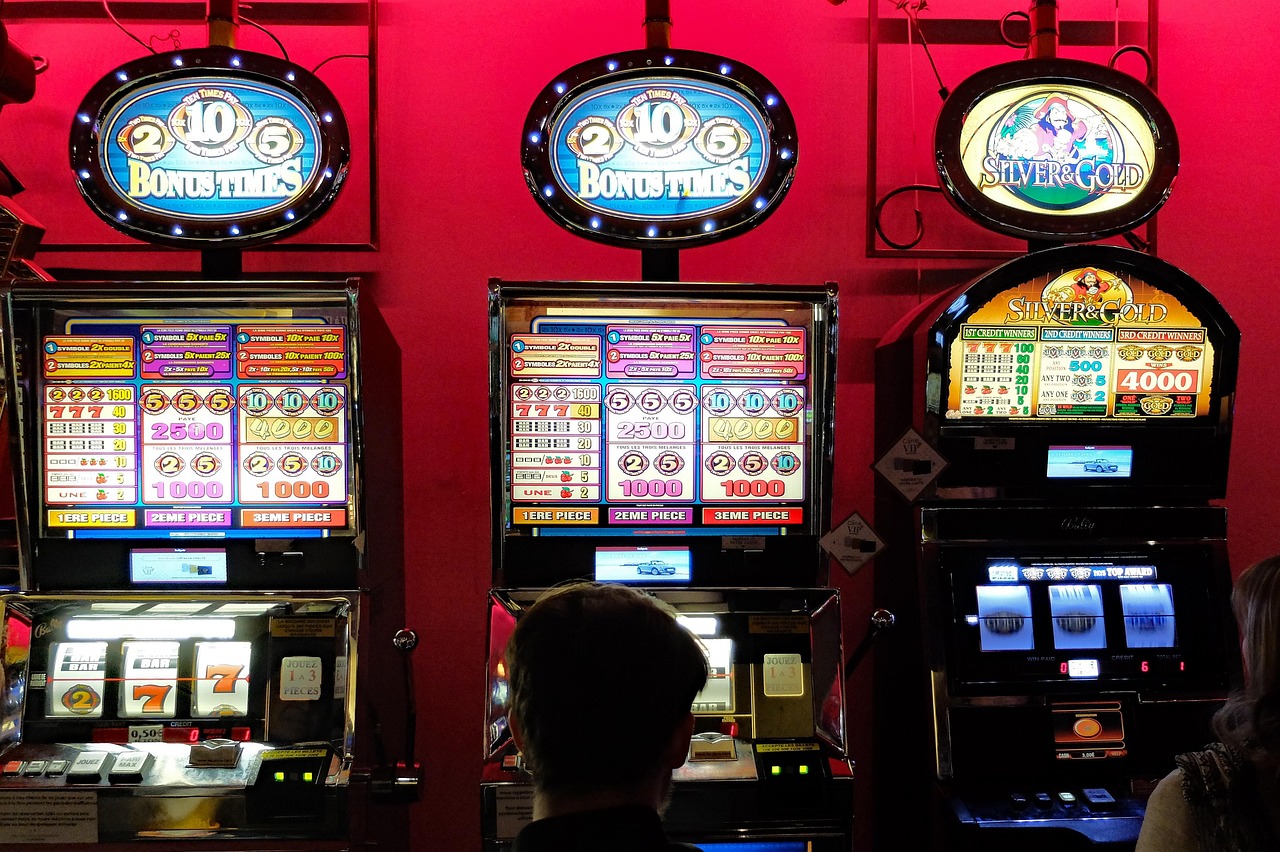
In the heart of every casino, slot machines hum with the allure of immediate fortune, drawing players seeking both excitement and a potential financial boost. With the convenience of credit cards, the temptation to use them at slots grows, but responsible use is paramount. This article examines the intricate world of slot machine strategies, focusing on how to leverage credit cards while avoiding the pitfalls of excessive gambling. We'll explore the psychology behind slot gameplay, dissect the technical aspects of how machines operate, and provide practical guidance on bankroll management and legal considerations. By the end, you'll be equipped to make informed decisions, ensuring your credit card use enhances your casino experience without compromising your financial health.
- What You Need to Know About Slot Machine Strategies
- How to Use Credit Cards Responsibly at Slots
- Best Practices for Emergency Cash at Slots
- Avoid Common Mistakes in Slot Machine Strategies
- Slot Machine Strategies: What Works, What Doesn't
What You Need to Know About Slot Machine Strategies

For using credit cards responsibly at slots, understanding strategies is crucial. Slot machines, often known for their unpredictability, offer a unique blend of psychology, technology, and chance. Gamers on the Las Vegas Strip, for instance, have long been captivated by the allure of these machines, with the Psychology of Gambling influencing their strategies. One key concept, popularized by B.F. Skinner's work on operant conditioning, is the use of variable reinforcement, where wins are spaced out to maintain excitement and engagement.
While every slot machine follows a Random Number Generator (RNG) to determine outcomes, the design and features vary significantly. Return to Player (RTP), a measure of how much a slot machine pays out over time, ranges widely. Progressive slots, for example, offer the chance of life-changing jackpots but typically have lower RTPs. Volatility, measured by how often and how much winnings change, is another critical factor. High volatility slots offer bigger potential wins but appear less frequently, while low volatility slots provide more consistent but smaller payouts. Understanding these dynamics is key to choosing a slot machine strategy that aligns with your playing style and financial goals.
Among the many advanced techniques, Bonus Games and Free Spins are popular. These features not only increase your chances of winning but also add excitement to the gameplay. Wild Symbols, for instance, can substitute for any other symbol, enhancing your potential for winning combinations. Responsible play is also a cornerstone of successful strategies. This includes setting a budget and sticking to it, as well as utilizing Bankroll Management Systems to control your spending. Top-rated slot machine apps and licensed online slot casinos, such as those offering progressive jackpot pools, provide both entertainment and the opportunity to win big. However, it's essential to gamble within your means and always be aware of the risks associated with any form of gambling.
How to Use Credit Cards Responsibly at Slots

Using credit cards responsibly at slots involves a combination of strategic play, bankroll management, and understanding the games you're playing. While the allure of quick wins and the thrill of spinning reels can be irresistible, it's crucial to approach slot machines with a clear head and a well-thought-out strategy.
One effective approach is to treat slot play like any other form of entertainment or leisure spending. Just as you would budget for a night out or a meal at a restaurant, allocate a specific amount for slot play and stick to it. If you decide to spend $50 at the slots, set a timer or a win limit to ensure you walk away when that amount is reached, regardless of whether you've won or lost. This simple act of self-regulation can prevent overextending yourself or falling into the trap of chasing losses.
When selecting a slot machine, consider factors beyond the shiny lights and catchy themes. Look for games with higher Return to Player (RTP) percentages, which indicate the machine's theoretical payout rate. Games with 95% or higher RTP are generally considered more favorable. A progressive slot with a 97% RTP could offer a better chance of returning your investment over time compared to a non-progressive machine with a 90% RTP. Understanding the volatility of a slot machine-its frequency of payouts and the size of those payouts-can help you choose games that align with your risk tolerance and desired gambling experience.
While same-day slot machine wins can be tempting, it's essential to remember that slots are ultimately games of chance. The house always has an edge, and the random number generators (RNGs) that drive these games ensure that every spin is independent of the last. This means that past results have no influence on future outcomes. Instead of chasing a win, focus on enjoying the games you play and treating strategies as part of a broader entertainment budget. By adopting these responsible practices, you can maximize your enjoyment while minimizing potential financial risks.
Best Practices for Emergency Cash at Slots
When facing unexpected financial emergencies, it's tempting to turn to slot machines for a quick fix. However, using credit cards irresponsibly at slots can lead to significant losses and even gambling addiction. Adhering to best practices for emergency cash at slots is crucial to mitigate risks and maintain financial stability.
Focus on understanding strategies tailored for beginners. Start with the best slot machines that offer a combination of high return-to-player (RTP) rates and lower volatility. These machines, often found in Las Vegas Strip Casinos, provide a balance between frequent wins and substantial payouts. Machines with 95% RTP and low volatility are ideal for beginners, as they offer consistent small wins while minimizing risk.
Same-day slot machine wins are a myth for most players. The house edge is built into the game, making it unlikely to turn a significant profit in a single day. Instead, prioritize best paying slots near you by researching local casinos and their respective paytables. Strategies often involve choosing machines with higher maximum bets and progressive jackpots, which, while riskier, offer the potential for life-changing wins. Remember, the goal is not to chase quick riches but to manage your bankroll effectively.
Implement bankroll management systems to control your spending. Set a budget and stick to it. Avoid playing with money you can't afford to lose. Consider treating slot machines as entertainment rather than a means to solve financial problems. By adopting these responsible practices, you'll enhance your gaming experience and ensure that emergency cash doesn't turn into a long-term financial burden.
Avoid Common Mistakes in Slot Machine Strategies

Using credit cards at slots might seem like a quick way to access emergency cash, but many players fall into traps that can leave them worse off. This section examines common mistakes to avoid when employing strategies, focusing on responsible gameplay and maximizing returns.
One of the most significant blunders is relying solely on reliable slot machine bonuses. While bonuses can enhance your playing experience, they should not be your primary income source. Experienced slot machine bankers understand that these incentives often come with stringent wagering requirements, making it challenging to withdraw funds. A bonus with a 50x wagering requirement means you'd need to wager your bonus 50 times before withdrawing any winnings. Instead, focus on developing a robust slot machine strategy that considers volatility, paylines, and bonus games.
Another pitfall is attempting to master niche strategies without a solid grasp of the fundamentals. The psychology of gambling, influenced by figures like B.F. Skinner, suggests that understanding the mechanics of the game is crucial. This includes recognizing the Return to Player (RTP) percentage, which indicates the average payout rate, and being aware of slot machine volatility. Progressive slots, for example, offer massive jackpots but may have lower RTPs, while classic slots might provide more consistent wins.
Lastly, avoid the allure of quick fixes. There's no magic formula for guaranteed wins, and relying on unpredictable events like "hot" or "cold" machines can lead to poor decisions. Instead, adopt a disciplined approach, setting clear bankroll management goals and sticking to them. Remember, the house always has an edge, so treat strategies as a form of entertainment rather than a quick financial fix.
Slot Machine Strategies: What Works, What Doesn't
For using credit cards at slots, a strategic approach is key. Strategies are vital for both minimizing losses and maximizing winnings, especially in the face of emergency cash needs. The effectiveness of any method hinges on understanding the fundamentals of slot machines, from the psychology of gambling to the technical aspects of how these games work.
What Works: Understanding RTP and Volatility
Certified slot machine experts emphasize the importance of Return to Player (RTP) rates. This metric indicates the percentage of bets returned to players over time, with higher RTP slots generally offering better value. A 97% RTP slot machine means, on average, 97 cents of every dollar bet returns to the player. Equally crucial is understanding slot machine volatility. High volatility slots offer larger wins but less frequent, while low volatility slots provide smaller but more regular payouts. Players should choose games that align with their risk tolerance and financial goals, especially when managing emergency cash.
What Doesn't: Avoiding Common Pitfalls
While strategies can enhance your experience, there are tactics to avoid. Many players fall into the trap of chasing losses, a behavior that can significantly deplete your bankroll. After a string of losses, some may feel they're "due" for a win, leading to increased betting. This approach, however, negates the very concept of responsible gambling. Another common mistake is relying solely on bonus games or progressive jackpots as a strategy. These features may seem appealing, but they're often designed to offset the casino's expected losses over time, not to increase your chances of winning.
Practical Advice for Best Payouts
To find the best paying slots near me, consider researching games with higher RTP rates and exploring different volatility options. A low-stake slot with a 96% RTP and moderate volatility could be a wiser choice than a high-risk, high-reward progressive slot. Implement a bankroll management system, setting a budget and sticking to it. This strategy, combined with an understanding of slot machine cost analysis, can help ensure you have a positive and responsible experience, even when using credit cards for emergency cash. Remember, the goal is not just to win but to do so in a way that maintains financial control and avoids the pitfalls that can make gambling an addiction.
Slot Strategy Guides ultimately aim to empower players to make informed decisions, balancing the excitement of the game with the discipline of responsible play.
Frequently Asked Questions About Emergency Cash: Using Credit Cards Responsibly at Slots
What is emergency cash and how does it relate to slots?
Emergency cash refers to funds accessed quickly for unexpected expenses, often through credit cards. When used at slot machines, it means wagering money from a credit card for immediate play, without the need for cash or a physical transaction. This can be appealing for those who want to play slots but lack immediate cash on hand.
Is using a credit card for slots a good financial strategy?
While convenient, it's not a sustainable or recommended financial strategy. Credit cards offer flexibility but come with interest rates and fees. Using them for discretionary spending, like gambling, can lead to debt. It's best to treat credit cards as a backup for emergencies, not a regular source of funding for entertainment.
What are the risks of using a credit card at slots?
The primary risk is accumulating debt. Interest charges can significantly increase your losses over time. Some casinos may have restrictions or charge fees for using credit cards at gaming tables. There's also the psychological risk of chasing losses, which can lead to bigger financial problems.
How much can I use my credit card to play slots?
There's no set limit. The amount depends on your credit card limit and the casino's policies. Some casinos may have daily or transaction limits. It's essential to know your financial boundaries and not spend beyond your means.
How fast can I get emergency cash from my credit card?
Once you initiate a transaction at the slot machine, funds typically appear instantly or within a few seconds. However, the process can take longer if there are security checks or if you're using a card for the first time at a specific casino.
Are there any alternatives to using a credit card for slots?
Yes, several alternatives exist. These include using cash, prepaid cards, or e-wallets specifically designed for online gambling. These options offer more control over your spending and help avoid the pitfalls associated with credit cards. Prepaid cards, for instance, allow you to load a specific amount and can't be used beyond that balance.
Can I withdraw money from my credit card used at slots?
Withdrawing funds directly from a credit card used for slots is generally not possible. The funds are applied towards your gambling losses and cannot be withdrawn as cash. However, you can access the remaining balance on your credit card statement or transfer the funds to your bank account after settling your gambling debts.
Understanding effective strategies is crucial for anyone considering using credit cards responsibly at slots. This article has explored a comprehensive range of topics, from the psychology behind gambling and the technical aspects of slot machines, to advanced techniques, legal considerations, and mobile gaming. By examining strategic elements like RTP, volatility, and bonus games, and addressing common mistakes, we've offered valuable insights for both novice and experienced players.
The article emphasizes responsible play, highlighting the importance of bankroll management, self-exclusion programs, and seeking support from communities and resources. It also discusses the evolving landscape of strategies, including the impact of technology and regulatory changes.
For those looking to apply these strategies in practice, the next steps are clear: stay informed about local gambling regulations, adopt proven bankroll management systems, and leverage available player protection tools. By doing so, individuals can enjoy slots while minimizing risks, ensuring a more controlled and satisfying gaming experience.
Using Credit Cards Responsibly at Slots: A Guide to Strategies
This article provides a comprehensive approach to using credit cards at slots, focusing on responsible play, understanding slot machine mechanics, and avoiding common pitfalls. Key strategies include:
- Budgeting: Set a clear budget and stick to it, treating slot play like any other leisure expense.
- RTP and Volatility: Choose games with higher Return to Player (RTP) and suitable volatility for your risk tolerance.
- Avoiding Pitfalls: Steer clear of chasing losses or relying solely on bonus games, understanding these features' built-in house edges.
- Emergency Cash: For unexpected needs, focus on low-risk strategies and responsible bankroll management.
By combining these strategies, players can enhance their experience, manage risks, and make informed decisions, even when using credit cards for emergency cash.