
In the fast-paced world of online and land-based casinos, understanding responsible credit card usage at slot machines is crucial. Slot machine strategies are a hotly searched topic, with players seeking guidance on everything from the psychology of gambling to advanced techniques for managing their bankroll. Many arrive with pressing questions: How can I minimize risks while maximizing my entertainment? What are the key metrics to consider, like RTP and volatility? And how can I use bonuses and free spins effectively?
This article examines deep into the art of responsible slot play, offering a practical guide to navigating slot machine strategies. We'll explore the technical aspects, from understanding paylines and symbols to deciphering bonus triggers. We'll also cover strategic considerations, including bankroll management systems and how to choose slots that align with your risk tolerance. We'll address the importance of self-exclusion programs and support groups, highlighting the signs of gambling addiction and the resources available for those struggling.
Get ready to transform your slot machine experience, making informed decisions that enhance your play while ensuring a safe and enjoyable journey through the reels.
- What Is Responsible Credit Card Use at Slots?
- How to Win: Slot Machine Strategies for Success
- Best Practices: Avoiding Common Credit Pitfalls
- Slot Machine Strategies: Compare Cards for Savings
- Mistakes to Avoid: Safe Credit Use at Casinos
What Is Responsible Credit Card Use at Slots?

Using credit cards responsibly at slot machines is a crucial aspect of responsible gambling and an essential slot machine strategy for beginners and experienced players alike. While credit cards offer convenience and can help manage your bankroll, they also come with risks if not used judiciously. The key is to treat your credit card as a tool for entertainment and not as an extension of your savings or a guaranteed source of income.
When considering the best slot machines for beginners, a responsible approach involves setting clear spending limits and sticking to them. Decide on a daily or session budget and only use the amount you're comfortable losing. This mindset shifts the focus from chasing wins to enjoying the game, which is essential for beginners. Understanding the cost analysis of slot machine play is vital. Each spin costs money, and the cost per spin varies among machines. Some slots have higher volatility, meaning bigger wins are rare, while others offer more frequent, smaller payouts. Knowing this and choosing machines that align with your risk tolerance and bankroll is a strategic move.
A responsible player might set a goal of playing for a specific duration, say an hour, and walk away when that time ends, even if they haven't won a significant jackpot. This practice, while avoiding the allure of chasing losses, is a key element in slot machine cost analysis. Remember, the same-day slot machine wins, whether 1x, 2x, or 3x your bet, are not guaranteed, and expecting them regularly can lead to financial strain. Therefore, treating slot machine play as an entertainment expense and not a source of income is a fundamental responsible credit card use strategy.
Slot Machine Strategies, like managing any expense, requires discipline and self-awareness. Being aware of your spending patterns, setting boundaries, and sticking to them are vital components of enjoying slots responsibly.
How to Win: Slot Machine Strategies for Success
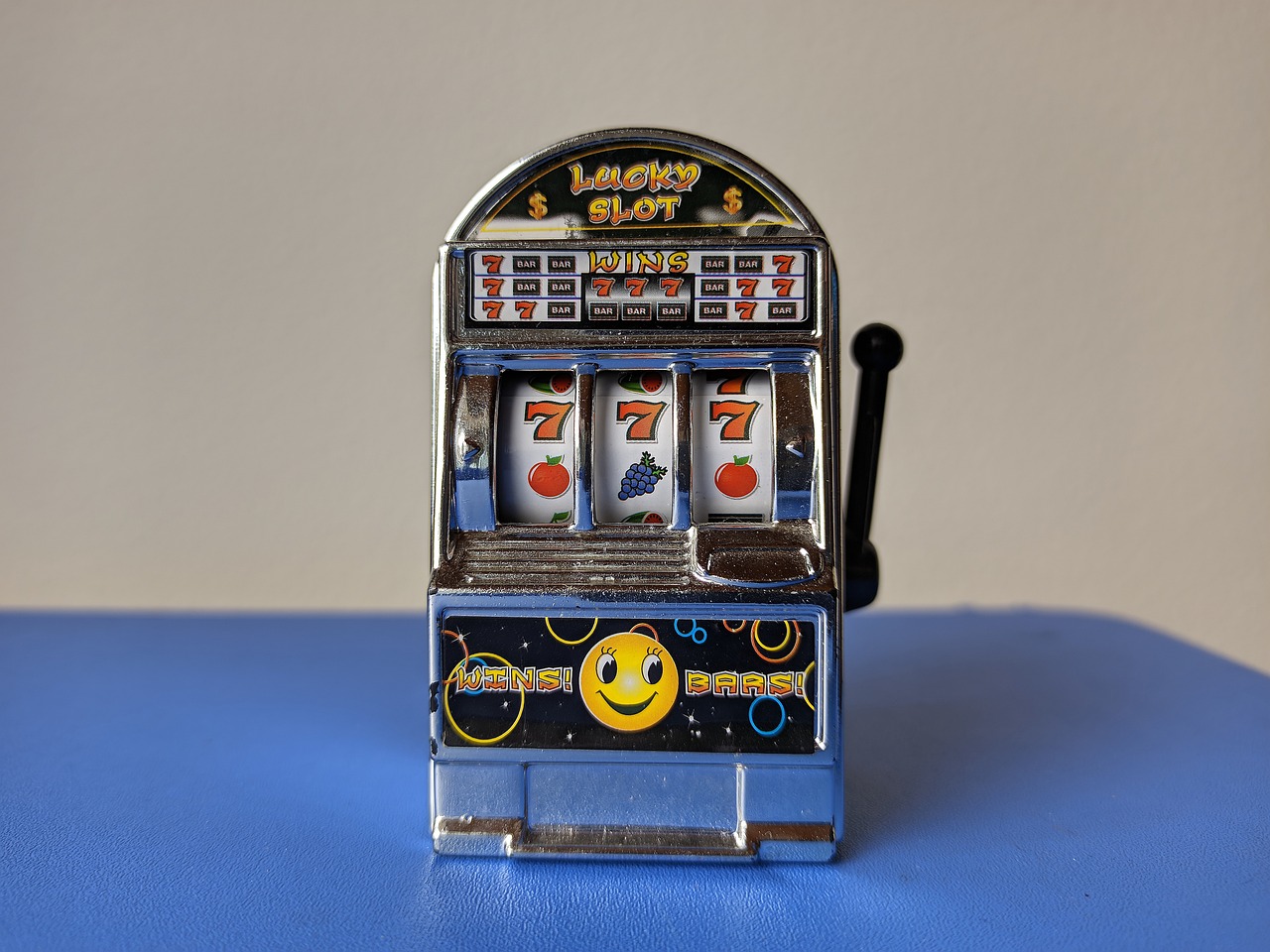
For winning at slot machines, responsible credit card usage is just the first step. The real key lies in understanding and employing effective strategies. Experienced slot machine bankers know that every spin is a chance to win big, but it's also a chance to minimize losses. The goal is not just to play, but to play smart.
One of the best paying slots near me might not be the best for you depending on your bankroll and risk tolerance. A crucial slot machine strategy is to set a budget and stick to it. If you're playing a high volatility slot, consider a smaller bet size to spread out your risk. Conversely, low volatility slots with frequent smaller wins might be better for players who prefer a more consistent, lower-risk approach. The psychology of gambling, as explored by B.F. Skinner, suggests that understanding reinforcement schedules can influence your gameplay. Knowing when to walk away with a win or keep playing for that big jackpot can significantly impact your overall experience.
Slot machine volatility, often measured by RTP (Return to Player), is another key factor. Progressive slots, for example, have a lower RTP but offer the chance for life-changing wins. In contrast, non-progressive slots have higher RTPs but smaller, more frequent payouts. An effective local slot machine tip is to consider the progressive jackpot pool and your personal financial goals. If you're aiming for a significant win, the risk of a smaller RTP might be worth it. However, for more casual players, sticking to non-progressive slots with higher RTPs ensures a more predictable, responsible gaming experience. Utilizing bonus games, free spins, and wild symbols strategically can also boost your chances of winning, making these advanced techniques an essential part of any successful slot machine strategy.
Best Practices: Avoiding Common Credit Pitfalls

For using credit cards at slots, many players fall into common pitfalls that can lead to significant losses. The key to responsible play lies in adopting effective strategies that prioritize both entertainment and financial discipline. One of the first steps is to understand that slots, despite their seemingly random nature, operate based on predetermined algorithms and return to player (RTP) rates. This means that different slot machines have varying win probabilities, and it's crucial to research and choose games with suitable RTPs and volatility levels for your budget.
Avoiding credit card pitfalls often starts with setting clear spending limits. Players should never wager more than they can afford to lose, and this limit should be communicated to the casino staff if playing at a physical location. For online slots, licensed platforms offer a range of responsible gaming tools, such as deposit limits and self-exclusion options, which can help players stick to their budgets. It's also important to remember that slots, like any form of gambling, carry a certain level of risk. Understanding the difference between progressive jackpots, bonus games, and wild symbols is essential. While these features can increase excitement and potential wins, they also come with higher risks, so they should be approached with caution.
Local slot machine tips can significantly enhance your experience. Regularly reviewing slot machine paytables and understanding symbol combinations can help you make informed decisions. Some machines have bonus triggers that, when activated, can lead to free spins or additional bonus games, effectively increasing your chances of winning. Keeping an eye on your bankroll management system, whether it's a specific strategy or a simple budget, ensures that you don't exhaust your funds before leaving the casino or logging off. Slot Strategy Guides emphasize the importance of discipline and patience, reminding players that the house always has an edge, and the best strategy is to play within your means while enjoying the thrill of the game.
Slot Machine Strategies: Compare Cards for Savings
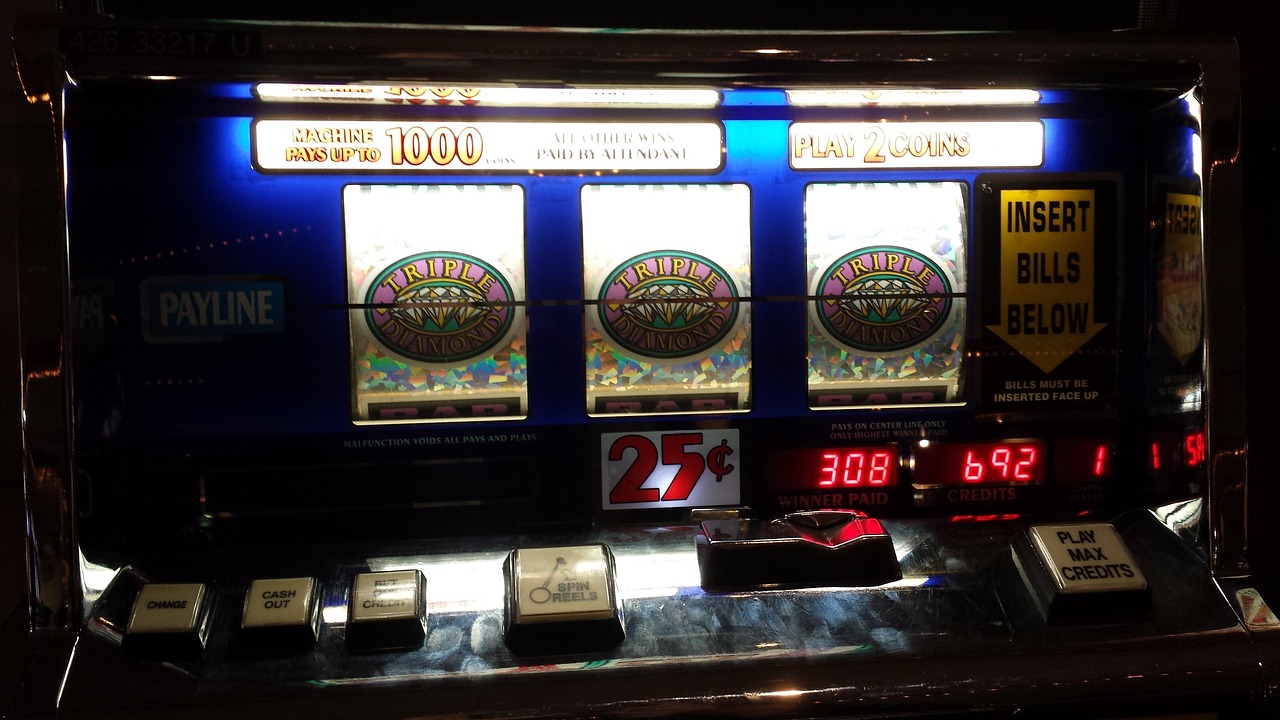
For strategies, choosing the right credit card can make a significant difference in both your gaming experience and your bottom line. Comparing cards for savings is a niche yet powerful technique that can help you maximize your playing power. The key is to consider the card's interest rates, rewards programs, and any special offers tailored for slot machine enthusiasts.
Experienced slot machine bankers recommend evaluating cards based on their Return to Player (RTP) percentage, which indicates the average payout rate. Lower volatility slots, for instance, may suit cards with better rewards programs, while high volatility games could benefit from cards offering cashback or reduced interest on slot machine transactions. A card with a 2% cashback offer on all gambling purchases could prove more advantageous than a rewards card with points that only convert at a 1:1 rate.
Understanding the slot machine's cost analysis is crucial. Some machines have higher house edges, making it more expensive to play over time. By aligning your card choices with these costs, you can mitigate losses. If a particular progressive slot has an average house edge of 5%, pairing it with a card that offers 3% cashback on gambling expenses could help offset the long-term cost. Strategies, when applied thoughtfully, can turn a gaming session from a cost center into a profitable experience, ensuring a more enjoyable and sustainable approach to slot machine play.
Mistakes to Avoid: Safe Credit Use at Casinos
For using credit cards responsibly at slots, even in emergency cash situations, there are critical mistakes to avoid. Many a novice gambler has fallen into the trap of perceiving slots as a quick fix for financial troubles, leading to decisions that can spiral into gambling addiction and substantial debt. To navigate the allure of slots with a clear head and a full wallet, it's essential to employ effective strategies.
Firstly, understand that niche strategies aren't about loopholes or tricks; they're about making informed choices. One of the best slot machines for beginners is often a simpler, classic game with straightforward rules and a lower betting limit. This allows new players to familiarize themselves with the mechanics of the game without the high-stakes risk. A beginner might start with a traditional three-reel slot with a 1x bet size, focusing on understanding paylines and bonus triggers.
A crucial aspect of responsible credit card use is slot machine cost analysis. Each spin on a slot machine incurs a cost, and understanding this cost is vital. Unlike table games where the house edge is typically clearer, slots can be more deceptive. A player might assume that a $1 bet means each spin costs $1, but this isn't always the case. The actual cost per spin depends on factors like volatility, RTP (Return to Player), and bonus features. For progressive slots, the cost analysis becomes even more complex, as the jackpot pool reduces the return percentage. Players should regularly assess these factors to ensure they're within their financial comfort zone.
Finally, Slot Strategy Guides offer a roadmap for safe credit use at casinos. Avoid the temptation to chase losses; instead, set a budget and stick to it. Utilize bankroll management systems, such as the Martingale or Fibonacci strategies, to manage your bets according to wins and losses. Remember, slots are a form of entertainment, not a guaranteed income. By understanding these basic mistakes to avoid, players can enjoy the thrill of slots while preserving their financial health.
Frequently Asked Questions About Emergency Cash: Using Credit Cards Responsibly at Slots
What is "emergency cash" in the context of slot machines? Emergency cash refers to the use of credit cards or other forms of payment to access immediate financial resources for gambling at slot machines. It's a strategy for players who need quick funds during a gaming session, acknowledging that slot play can be unpredictable and sometimes requires more money than initially planned.
Can I use any credit card to access emergency cash? While most credit cards allow cash advances, not all are suitable for this purpose. Look for cards with low or no fees for cash withdrawals, good credit limits, and a reasonable interest rate. Avoid using cards with high withdrawal fees or those that charge a percentage of the withdrawal amount as a fee.
How quickly can I get emergency cash from my credit card at the slots? The timing varies. Most credit card networks allow immediate processing for cash advances, but the funds may take a few minutes to appear at the slot machine or gaming cage. Online casinos might have faster processing times than brick-and-mortar establishments.
What are the risks involved in using credit cards for emergency cash? The primary risk is the potential for excessive gambling. Using credit cards for quick cash can lead to impulsive spending and loss of control over your budget. Cash advances often incur fees, and if you're not prepared for the financial impact, it can negatively affect your credit score.
Are there alternatives to using credit cards for emergency cash? Absolutely. Consider using a debit card (if linked to a savings account), pre-paid gaming cards, or even borrowing money from a friend or family member. These alternatives avoid the fees and potential credit impact associated with credit card cash advances.
How much can I withdraw as emergency cash? The amount depends on your credit limit and the policies of the casino or financial institution. Some casinos have daily or weekly limits on cash advances, so check with them beforehand. Remember, though, that withdrawing too much can strain your finances.
What if I can't repay the emergency cash immediately? While the intent is to use emergency cash for a single session, if you need more time to repay, contact your credit card issuer. Some companies offer payment plans for cash advances, but these usually come with additional fees.
Navigating the world of slot machines and credit card usage responsibly requires a strategic approach, combining both sound financial practices and an understanding of the psychology behind gambling. This article has examined the intricate details of strategies, offering a practical guide for players to make informed decisions.
We've explored the interplay between gameplay and psychology, highlighting the influence of the Las Vegas Strip Casinos and the well-documented effects of the Psychology of Gambling. The article has also demystified the technical aspects, explaining RTP (Return to Player) and slot machine volatility, empowering players to choose games that align with their risk tolerance.
Beyond the casino floor, responsible credit card use involves adopting effective bankroll management systems and being aware of the legal and regulatory frameworks that protect both players and operators. By understanding the evolution of slot machines from mechanical to video formats and the ongoing technological advancements, players can stay ahead of the curve.
In the end, responsible credit card usage at slots is not just about winning or losing; it's about making informed, strategic choices. By implementing the practical insights and best practices outlined in this article, players can enjoy their time at the machines while safeguarding their financial well-being. The key lies in combining a solid understanding of strategies with a healthy dose of self-awareness and discipline.
Strategies for Responsible Credit Card Use:
Learn to play slots smartly by understanding volatility, RTP, and cost per spin. Set spending limits, avoid chasing losses, and treat slots as entertainment, not income. Utilize bankroll management, research games, and keep a clear head. Compare credit card rewards tailored for slots, and remember: slots aren't a quick fix; they're a form of entertainment with risks.