
The random number generator (RNG) is the heart of any slot machine, dictating outcomes in fractions of a second. As players examine the world of slot machine strategies, understanding how RNGs work becomes crucial. This article dives deep into the science behind these sophisticated algorithms, addressing the most pressing questions from budget-conscious gamblers.
We'll explore how RNGs ensure fair play, their role in various slot machine features like bonus games and progressive jackpots, and the impact of technological advancements on their functionality. By demystifying the RNG, we empower players to make informed decisions, refine their gameplay, and navigate the changing landscape of slots with confidence.
This guide covers everything from the psychological aspects of randomness to the latest trends in mobile app-based gaming, offering a comprehensive resource for anyone seeking to maximize their enjoyment and understanding of slot machine strategies.
- Understanding Random Number Generators: The Core of Slots
- How Slot Machine Strategies Leverage RNG for Fairness
- Best Practices: Ensuring Secure RNG in Online Slots
- Common RNG Mistakes in Slot Machine Strategies
- Cost-Effective RNG Solutions for Slot Operators
Understanding Random Number Generators: The Core of Slots

The core of every slot machine, driving the random outcomes that captivate players, is the random number generator (RNG). This sophisticated piece of technology is the linchpin of modern gambling, ensuring fairness and unpredictability. For experienced slot machine bankers, understanding the RNG is crucial for developing effective slot machine strategies. It's the key to achieving the best paying slots near me, as well as mastering niche slot machine techniques.
RNGs, as the name suggests, produce random numbers that are used to determine the outcome of each spin. They operate based on complex algorithms, often incorporating elements of probability and statistical analysis. Unlike mechanical slots that relied on weighted reels, digital slots leverage the precision and randomness of these algorithms. A slot machine's paytable, which outlines the rewards for different symbol combinations, is determined by the RNG at the moment the spin is initiated. This ensures that every play is independent, with no patterns or biases that could be exploited by players.
A key consideration for strategies is the Return to Player (RTP), a measure of the average payout a slot machine is expected to return to the player over the long term. The RTP is directly influenced by the RNG's design and the game's programming. Progressive slots, for example, often have lower RTPs due to the progressive jackpot pool's impact, but their potential for life-changing wins makes them popular among players. Understanding these dynamics allows experienced bankers to guide players towards games that align with their risk tolerance and desired payoff, shaping effective strategies.
RNGs have evolved alongside technological advancements, leading to more sophisticated and secure systems. The introduction of video slots, for instance, brought about 3D graphics and bonus triggers that enhance the player experience. These innovations not only attract a broader audience but also require new strategies to maximize engagement. Slot Strategy Guides, like those developed by our organization, are updated to reflect these changes, ensuring that both players and bankers stay ahead of the curve in this changing landscape.
How Slot Machine Strategies Leverage RNG for Fairness
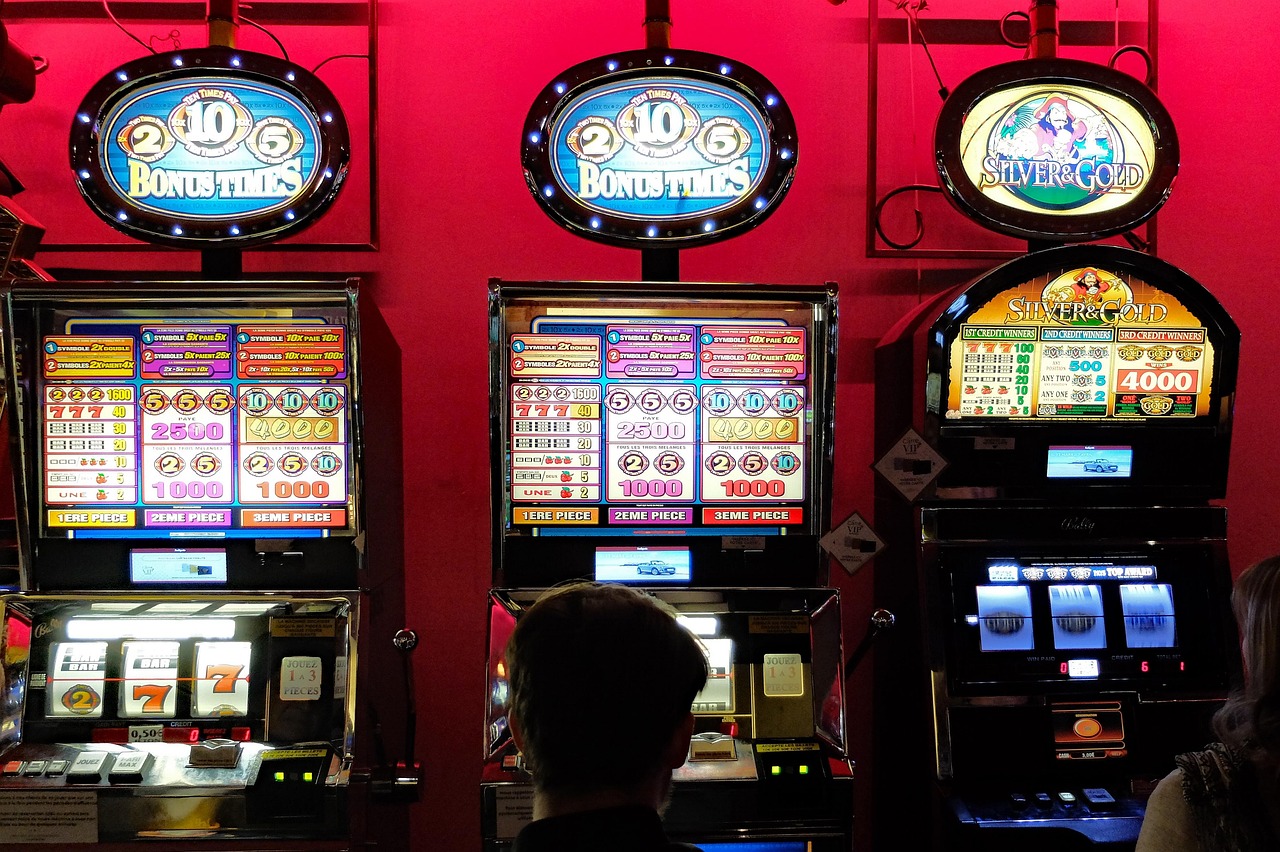
The core of fair slot machine gameplay lies in Random Number Generators (RNGs), which are the unsung heroes behind the random outcomes that determine a player's luck. Strategies rely heavily on understanding and leveraging these algorithms to ensure the integrity and randomness that are the cornerstones of responsible gambling.
RNGs in modern slots are sophisticated computer programs designed to generate unpredictable numbers, ensuring that each spin is independent of the last. This randomness is crucial for maintaining the balance and fairness of slot games. A player's streak of wins or losses has no influence on future outcomes, as each spin is an independent event. This is a fundamental concept, often exemplified in slot machine cost analyses, where the true cost of a spin is not the bet amount but the potential long-term impact on a player's bankroll.
The effectiveness of RNGs is evident in the diverse range of slot machine paylines and volatility options available today. Players can choose games with low or high volatility, each offering a unique experience. High volatility slots, for example, may feature progressive jackpots or bonus games, providing the potential for large rewards but also higher risk. In contrast, low-stake slots with simpler mechanics cater to those seeking a more controlled, consistent gameplay experience. Reviews of slot machines often highlight these features, offering insights into how RNGs shape the player's overall experience.
Strategies, as guided by industry experts and Slot Strategy Guides, encourage players to understand the game's RTP (Return to Player) percentage, a measure of how much a slot game theoretically returns to players over the long term. While RNGs ensure fairness, RTP percentages provide a framework for players to make informed decisions, balancing their expectations with the game's inherent randomness. This knowledge, combined with a well-planned bankroll management system, can enhance the overall enjoyment of slot tournaments both within nearby casino settings and online platforms.
Best Practices: Ensuring Secure RNG in Online Slots
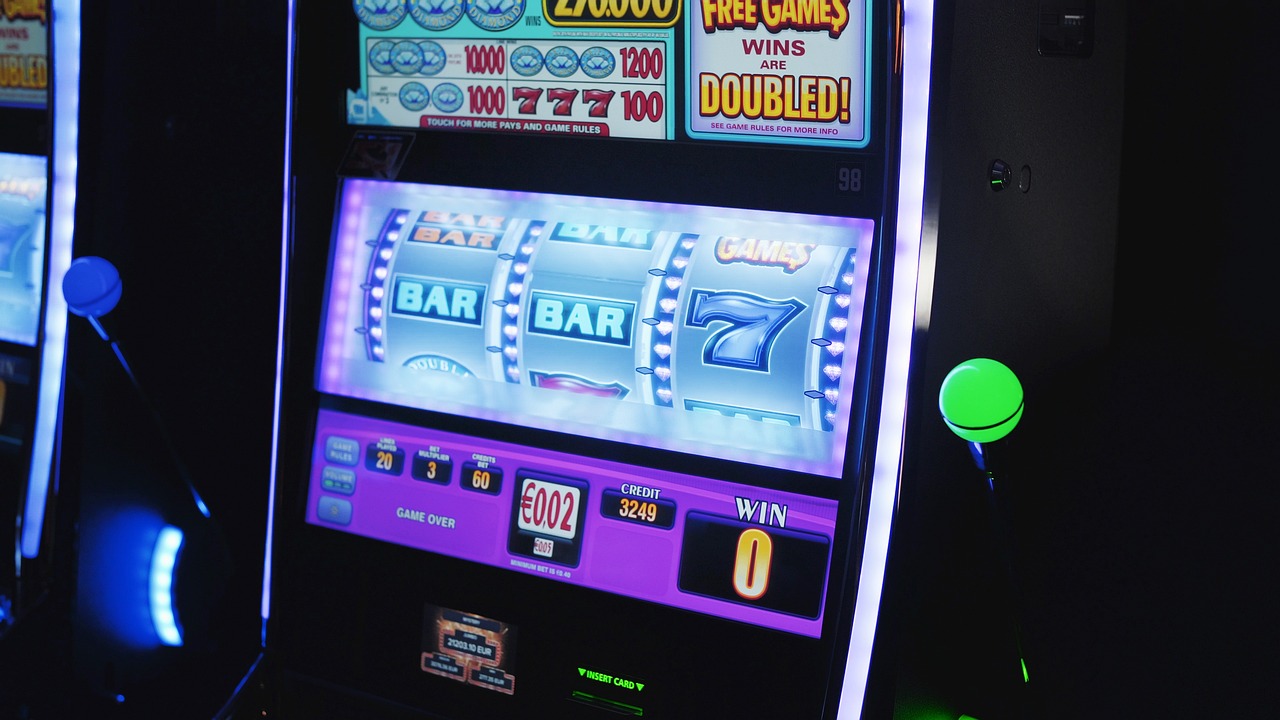
The science of random number generators (RNGs) is crucial in the world of online slots, as these algorithms determine the fairness and unpredictability of each spin. For beginners seeking the best slot machines for their money, understanding the inner workings of RNGs is essential. Licensed online slot casinos employ sophisticated RNGs to ensure every player has an equal chance to win, making it a cornerstone of responsible strategies.
To ensure the security and integrity of online slots, casino operators must adhere to strict best practices. These include regular audits of RNGs by independent third-party agencies to verify randomness and fairness. Reputable slot sites employ random number generators certified by recognized authorities like eCOGRA or Gaming Labs International. This process involves rigorous testing to validate the algorithm's independence and true randomness, eliminating any potential manipulation or predictability.
To audits, trusted slot machine sites implement multiple layers of security protocols. This includes encryption of data transmission and storage, as well as robust player account security measures. By combining robust RNG technology with comprehensive security, licensed online slot casinos create an environment that fosters trust and encourages players to enjoy their favorite games without concern. These practices not only protect players but also contribute to the overall integrity of the online gaming industry, solidifying Slot Strategy Guides as a reliable resource for players looking to navigate the digital slot landscape with confidence.
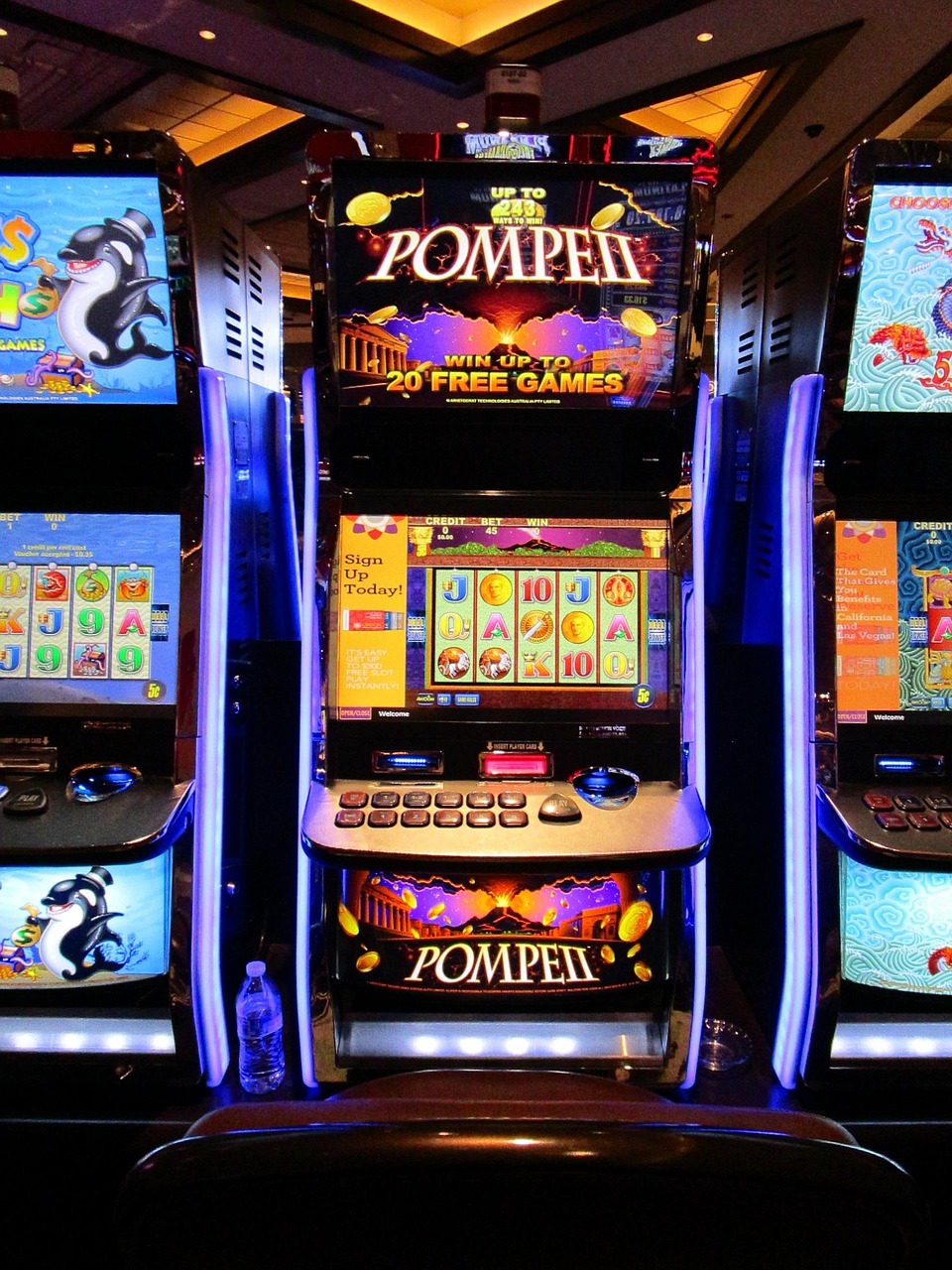
The science of random number generators (RNGs) in slots is a crucial aspect of modern gambling, as these algorithms dictate the outcome of every spin. However, even the most seasoned slot machine bankers can fall victim to common mistakes when relying on RNGs for their strategies. Understanding these errors is essential for anyone aiming for consistent results, especially when pursuing same-day slot machine wins.
One prevalent mistake is assuming that certain numbers or patterns will repeat. Since RNGs are designed to be unpredictable, the likelihood of hitting a specific combination twice in a row is virtually non-existent. This fallacy often leads to players chasing losses, as they believe they can "catch" a hot streak. If a player experiences several wins in a row, they might assume the next spin will continue this trend, but this is purely speculative. A responsible slot machine strategy involves accepting the randomness of RNGs and adjusting bets accordingly.
Another pitfall is the misconception that niche strategies can influence the outcome. Some players believe that focusing on specific symbols, lines, or betting patterns can manipulate the RNG. Playing only high volatility slots or limiting bets to certain denominations might give a false sense of control. The truth is, RNGs are designed to ensure fair play, and these strategies have no bearing on the next spin. An experienced banker understands that the only variable they can control is their bankroll management and the overall risk tolerance of their chosen slot machine strategy.
To maximizing profits, it's crucial to remember that slots are ultimately a game of chance. Relying on patterns or trying to predict the RNG can be as futile as chasing a mirage. The most successful strategies involve a blend of calculated risk-taking, solid bankroll management, and a healthy dose of patience. By understanding the limitations of RNGs and adopting a strategic, data-driven approach, players can navigate the virtual reels with greater confidence and a higher likelihood of achieving consistent, rewarding results.
Cost-Effective RNG Solutions for Slot Operators

The science of Random Number Generators (RNGs) is essential for ensuring fair and unpredictable outcomes in slot machines, particularly as the online gambling landscape continues to grow. For slot operators, cost-effective RNG solutions are crucial to maintain player trust and engagement while keeping overheads low, especially on trusted slot machine sites. One of the key advantages of modern RNG technology is its ability to deliver truly random results, dispelling the myth of fixed or predictable slot machines. This is particularly important in niche strategies, where players seek unique experiences.
When selecting an RNG solution, slot operators should consider both the technology's effectiveness and its cost-efficiency. Many reputable providers offer robust and secure RNG services that can be integrated into a variety of slot machine platforms. Some solutions utilize hardware-based RNGs, which are considered the gold standard for security and randomness, while others employ software-based RNGs that are regularly audited and certified. The choice depends on the operator's budget, technical capabilities, and desired level of security. For high-volume slot operators looking to optimize their strategies, implementing an efficient and reliable RNG system can significantly reduce costs and operational complexities.
By adopting advanced RNG technologies, slot operators can enhance their players' experiences while maintaining compliance with the evolving regulatory landscape. This is reflected in the positive reviews of many trusted slot machine sites that prioritize fair play and security. Some operators have successfully implemented progressive jackpots, bonus games, and free spins features that rely on robust RNGs to ensure the integrity of these promotions. By understanding and leveraging the science behind RNGs, slot operators can continue to innovate, attract, and retain players in a competitive market, making them indispensable tools in any successful slot strategy guide.
Frequently Asked Questions About The Science of Random Number Generators in Slots
What is a Random Number Generator (RNG) in slots? An RNG is a computer program that generates a sequence of numbers that appears random. In slots, it controls when and how symbols land on the reels. This ensures that each play is independent and unpredictable, meeting regulatory requirements for fair gaming.
How do RNGs ensure fairness in slots? By producing random results, RNGs prevent any pattern or bias in the game's outcome. They're designed to deliver a new, unpredictable number for each spin, eliminating the potential for the casino to manipulate the odds or for players to exploit any perceived advantage.
What are the costs associated with implementing RNGs in slots? The initial cost of installing RNGs can vary widely depending on the casino's size and existing technology. Generally, it involves hardware upgrades (like a new server), software licensing fees, and staff training. Most installations take one to two days, with downtime minimal.
Are there risks associated with using RNGs in slots? While RNGs are designed to be truly random, they're ultimately software, so they're susceptible to glitches or manipulation if not properly maintained or if there's a cybersecurity breach. Regular updates and robust security measures are crucial to mitigate these risks.
How quickly can RNGs be integrated into existing slot machines? RNG integration typically involves updating the game software and hardware. The process can range from a few hours for simple upgrades to a couple of days for complex systems, depending on the slot machine's design and the casino's technical resources.
What are some popular RNG options for casinos? There are several RNG providers, each offering unique features and technologies. Popular options include (name a few reputable vendors known in the industry, e.g., "Random Logic", "Playtech's RNG", "iGaming's Provably Fair solutions"). Each vendor's solution may have different strengths, such as speed, security, or adaptability to different game types.
Can players verify the randomness of the RNGs? Absolutely. Many casinos provide audit reports from independent testing agencies to ensure the RNGs function as designed. Some gaming platforms offer "provably fair" solutions that allow players to verify the randomness of a spin through cryptographic means.
This article has examined the intricate world of random number generators (RNGs) and their pivotal role in ensuring fairness within strategies. By demystifying the core functioning of RNGs, we've empowered readers to comprehend how these systems underpin the integrity of slot games. We've highlighted the strategic importance of RNGs, demonstrating their impact on game design and player experiences.
The piece has addressed key considerations for slot operators, offering insights into best practices for securing robust and cost-effective RNG solutions. By exploring common mistakes to avoid, we've aimed to guide operators towards implementing safe and reliable RNG systems.
Practical takeaways include a heightened awareness of the latest advancements in RNG technology, emphasizing the importance of staying updated to meet the evolving needs of budget-conscious gamblers. Operators should also consider the psychological impact of RNGs on player engagement, leveraging this knowledge to create dynamic and fair gaming environments.
Moving forward, embracing a data-driven approach to RNG implementation, combined with a deep understanding of target player profiles, can lead to enhanced strategies that balance cost-effectiveness and player satisfaction. This practical guide has served as a roadmap, ensuring that the science behind strategies is accessible to all.
The core of modern slot machines, the Random Number Generator (RNG), ensures fairness and unpredictability, crucial for effective strategies. Understanding the RNG's role in determining outcomes, paytables, and Return to Player (RTP) is key for both players and bankers. From mechanical slots to digital video slots, RNGs drive dynamics like progressive jackpots and bonus games, influencing risk tolerance and desired payoffs. Security and fairness are paramount, with independent audits, encryption, and robust account security protocols protecting online slots. Overcoming common mistakes, like assuming patterns or relying on niche strategies, is essential for consistent results. A strategic, data-driven approach, combined with a solid bankroll management system, is the key to navigating slot machines with confidence.