
Understanding how to read a slot machine's odds is crucial for anyone looking to improve their chances at the casino. Slot machine strategies are sought after by both casual players and seasoned gamblers alike, as the potential rewards can be life-changing. However, with a vast array of machines and varying payout structures, deciphering the odds can be overwhelming. This article examines the psychology of gambling, demystifies key terms like RTP (Return to Player) and volatility, and explores advanced techniques like bonus games and bankroll management systems. We'll navigate the evolution of slot machines, their technical intricacies, and the growing trend of mobile and app-based gaming. By the end, you'll be equipped with the knowledge to make informed decisions, play responsibly, and potentially enhance your chances of hitting the jackpot.
- What Are Slot Machine Odds and How to Calculate Them
- Top Slot Machine Strategies for Beginners and Experts
- Common Slot Machine Mistakes to Avoid
- Best Practices for Understanding Slot Payout Percentages
- Advanced Tips to Improve Your Slot Machine Success
What Are Slot Machine Odds and How to Calculate Them

Understanding slot machine odds is a crucial aspect of playing responsibly and strategically. The odds represent the probability of a specific outcome, such as hitting a jackpot, and are a fundamental element in any slot machine strategy. To calculate these odds, you need to consider the Return to Player (RTP), which is a measure of how much a slot machine is expected to pay out over time, usually expressed as a percentage.
If a slot machine has an RTP of 96%, it means that for every $100 wagered, the machine will return $96 on average over time. The remaining $4 is the house edge, the operator's advantage. RTPs can vary widely, from as low as 80% to over 98%, depending on the game and the developer. The best slot machines for beginners often offer higher RTPs, making them a more favorable choice. Licensed online slot casinos tend to provide this information in their game descriptions, allowing players to make informed decisions.
Slot machine volatility is another key factor in determining odds. High volatility slots have more frequent but smaller wins, while low volatility slots offer fewer but larger payouts. Progressive slots, with their massive jackpots, fall somewhere in between. To maximize your chances, consider your risk tolerance and choose slots that align with your desired playstyle. Top-rated slot machine apps often include volatility indicators, making it easier to compare and select games. Using a combination of RTP analysis and volatility understanding, you can develop a solid slot machine strategy using the resources provided by Slot Strategy Guides.
Top Slot Machine Strategies for Beginners and Experts

For many, slot machines represent both a source of entertainment and a challenge for winning. However, understanding the odds and employing effective slot machine strategies can transform your gaming experience, especially for beginners looking to play smart and affordable. Whether you're a novice or an expert, mastering these strategies is key to improving your chances and making the most of your time on the machines.
One of the most fundamental aspects to grasp is the Return to Player (RTP) rate, which indicates the expected long-term payoff percentage for a particular slot. A game with an RTP of 95% means that for every $100 wagered, you can expect to receive back an average of $95 over time. The best slot machines for beginners often offer RTPs in the range of 94% to 96%, striking a balance between potential returns and game volatility. This is crucial for managing your bankroll, especially when you're just starting out. Advanced players can leverage this knowledge to target games with higher RTPs, aligning their strategy with their risk tolerance and financial goals.
Beyond RTP, slot machine volatility matters in your overall gaming experience. High-volatility slots offer larger potential wins but may require substantial time and credits to trigger them. Conversely, low-volatility slots provide smaller but more frequent payouts. As a beginner, it's advisable to start with low-volatility slots, often characterized by simple gameplay and consistent, predictable results. As you gain experience and confidence, you can transition to higher-volatility games, using strategies like bankroll management systems to dictate your bets and withdrawals. Emergency slot machine play, for instance, involves setting a loss limit and sticking to it, ensuring you walk away when the fun ends rather than chasing losses.
Incorporating bonus games and free spins is another effective strategy for both beginners and experts. These features not only enhance your entertainment value but can also boost your winnings. A slot with a free spin bonus might award you with several rounds of play where all your bets are multiplied by a certain factor. Understanding bonus triggers and the associated rewards is essential. Wild symbols, for instance, can replace any regular symbol to complete a winning combination, increasing your chances of winning. By familiarizing yourself with these elements, you can make informed decisions, whether playing for low stakes or pursuing the allure of progressive jackpots.
Common Slot Machine Mistakes to Avoid
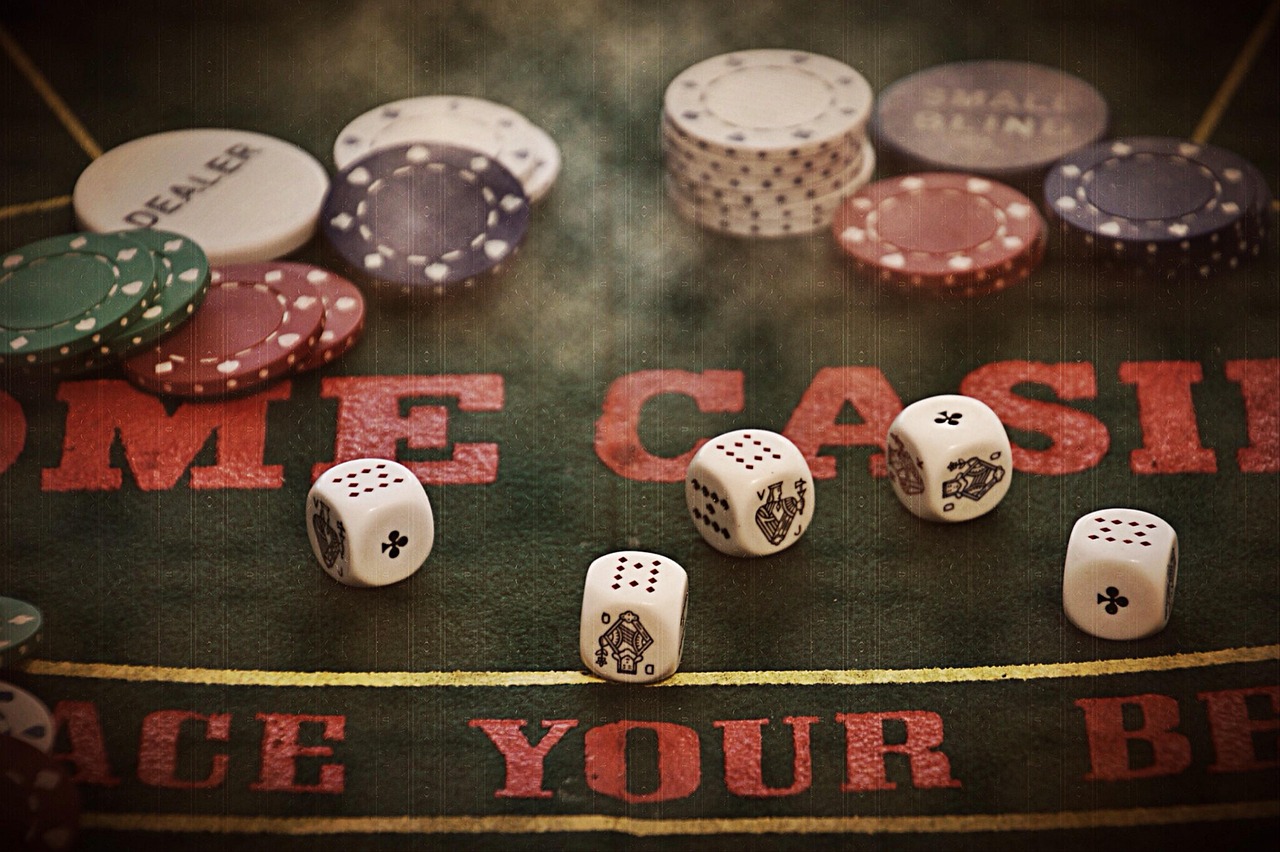
Many players make mistakes when trying to read a slot machine's odds, often due to a lack of understanding or misinformation. These errors can significantly impact their chances of winning, so it's crucial to avoid them. One common pitfall is mistaking the return to player (RTP) percentage for the actual probability of winning. RTP is a theoretical figure representing the long-term average return a player can expect, but it doesn't predict short-term outcomes. A slot with an 96% RTP could still have a dry spell where it pays out less than the expected average.
Another mistake is assuming that higher volatility means bigger wins. While progressive slots with high volatility offer the chance for massive jackpots, they also come with broader ranges of possible outcomes, including more losses. It's essential to consider your risk tolerance and choose slots that align with your desired playstyle. Local slot machine reviews can be invaluable here, offering insights into a game's typical volatility and bonus features. Reliable slot machine bonuses, such as free spins or welcome offers, can provide extra value and practice without risking your funds.
Players should steer clear of chasing hot streaks or trying to predict outcomes based on previous spins. Slot machines use random number generators (RNGs), ensuring each spin is independent. Therefore, past results have no bearing on future outcomes. A Slot Strategy Guide recommends setting a budget and sticking to it, as well as exploring different game types and denominations to find what suits your preferences and bankroll. By understanding and avoiding these common mistakes, players can make more informed decisions, enhance their overall gaming experience, and potentially improve their chances of winning.
Best Practices for Understanding Slot Payout Percentages

Understanding slot payout percentages is a crucial aspect of improving your chances at the slot machines, especially when searching for the best paying slots near me. This strategy is key to making informed decisions and maximizing your returns. The key lies in recognizing that not all slots are created equal, and each offers a unique set of odds and features.
To start, look for the Return to Player (RTP) percentage, a critical metric that indicates the average payback percentage for a particular slot over time. Higher RTP percentages, typically ranging from 95% to 98%, suggest a slot machine that favors the player. A slot with an RTP of 97% means that, on average, for every $100 wagered, the machine will return $97 over time. Keep in mind that these odds are theoretical, and actual returns can vary based on factors like volatility and bonus rounds. Progressive slots, for example, often have lower RTPs due to the progressive jackpot pool, but they can still offer attractive payouts when the jackpot is triggered.
Another important consideration is the slot's volatility. High volatility slots offer bigger wins but with less frequent payouts, while low volatility slots provide smaller but more regular wins. Knowing your risk tolerance and preferred playstyle, whether you're after affordable slot machine strategies or chasing big wins, will help guide your choice. Nearby casino slot tournaments can also offer valuable insights into which slots are currently paying out the best. Slot Strategy Guides suggest keeping an eye on these events and trying out the machines that seem to be popular among the tournament players. Remember, responsible play is paramount, and understanding these strategies is just one part of a well-rounded approach to casino gaming.
Advanced Tips to Improve Your Slot Machine Success
To improve your success at slot machines, it's crucial to employ advanced strategies that go beyond the basic rules. Experienced slot machine players understand that the odds are always stacked in the casino's favor, but with the right approach, you can minimize losses and increase your chances of winning. One effective strategy is to analyze the cost of each spin. Consider the slot machine's volatility, return to player (RTP), and progressive jackpot potential. High volatility slots offer larger wins but with more frequent losses, while low volatility slots provide more consistent, smaller payouts.
Top-rated slot machine apps can be valuable tools for practicing and refining your strategy. These apps often offer simulations of various slot machine types, allowing you to experiment with different settings and understand the impact of each decision. You can adjust the number of paylines, bet sizes, and bonus triggers to see how they affect your overall returns. Experienced slot machine bankers recommend keeping a close eye on your bankroll management. Set a budget for each session and stick to it, avoiding the temptation to chase losses. This disciplined approach ensures you leave the table with some profits or, at worst, minimize your losses.
Another advanced tip involves understanding the slot machine's bonus features and triggers. Many machines offer free spins, wild symbols, or bonus games that can significantly boost your winnings. By studying the paytable and symbols, you can predict when these features are likely to activate, maximizing your chances of hitting a jackpot. Consider the slot machine's programming and random number generators (RNGs). Different machines have varying RNGs, which influence the frequency and size of wins. Knowing these patterns can help you make informed decisions on when to play and how much to bet. Slot Strategy Guides, for example, often include detailed analyses of specific machine models and their tendencies, empowering players to make strategic choices.
Frequently Asked Questions About How to Read a Slot Machine's Odds and Improve Your Chances
What is the house edge, and why should I care?
The house edge is the average amount of money a slot machine pays out to the casino for every dollar wagered. It's a crucial metric to understand because it represents the long-term advantage the casino holds over the player. Knowing the house edge helps you make informed decisions about which machines to play and how long to play them.
How can I calculate the odds of winning on a slot machine?
Calculating slot machine odds involves understanding the machine's payback percentage (the reverse of the house edge) and the number of possible outcomes. Each spin is an independent event, but some machines offer bonus rounds or features that can increase your chances. While complex calculations exist for specific games, a basic strategy is to divide the payback percentage by the number of symbols on a payline to estimate your odds of hitting a specific combination.
Are there any tips for choosing a slot machine?
Beyond checking the payback percentage, look for machines with:
- Lower house edges: As mentioned, lower house edges mean better odds.
- More paylines: More paylines increase the chances of winning, but also usually require more bets.
- Progressive jackpots: These offer the potential for huge payouts but come with lower average returns.
- Bonus rounds: Feature games can significantly boost your winnings.
- Volatility: High volatility machines have larger but less frequent wins, while low volatility machines offer smaller but more frequent wins. Choose based on your risk tolerance.
How much does it cost to play slot machines?
Slot machines have a wide range of bet sizes, from pennies to hundreds of dollars. The cost varies based on:
- Bet amount: Higher bets generally lead to higher payouts but also higher risk.
- Number of lines: Playing more lines increases the cost per spin but also your chances of winning.
- House edge: Machines with higher house edges require larger bets to achieve a break-even point.
What are the risks involved in playing slot machines?
Slot machines are games of chance, and there's always a risk of losing money. Potential risks include:
- Gambling addiction: Slot machines can be highly addictive, leading to excessive gambling and financial problems.
- Financial loss: There's no guarantee of winning, and even the most carefully managed budget can be exhausted quickly.
- Emotional distress: Losing money or experiencing a long losing streak can be emotionally taxing.
How long does it take to see a return on my investment?
There's no guaranteed timeframe for seeing a return on your slot machine play. It depends on:
- Bet size and frequency: Larger bets and longer playing sessions will lead to faster losses.
- House edge: Machines with higher house edges will require more playtime to break even.
- Luck: Ultimately, slot machines are based on chance, and your results can vary greatly from day to day.
Remember, responsible gambling is crucial. Set a budget and stick to it, and don't chase losses.
Understanding slot machine strategies is crucial for both beginners seeking guidance and experienced players aiming to enhance their success. This article has explored a comprehensive range of topics, from the fundamentals of calculating slot machine odds and avoiding common mistakes, to advanced techniques for maximizing payouts. By examining the psychology of gambling, the role of RTP and volatility, and the intricacies of bonus games, readers have gained valuable insights to navigate the world of slot machines more effectively.
Key takeaways include the importance of recognizing the house edge and managing bankrolls, understanding the impact of progressive jackpots, and leveraging free spins and wild symbols. The article highlights the value of responsible play, emphasizing self-exclusion programs and support groups for those dealing with gambling addiction. By integrating these slot machine strategies, players can make more informed decisions, improve their overall gaming experience, and potentially increase their chances of winning.
Next steps for readers might include practicing these strategies in local gaming communities or through app-based gaming, while staying updated on the evolving trends and regulations in the industry. This article aims to empower players with the knowledge to make the most of their slot machine experiences, ensuring a safer and more enjoyable journey.
Strategies: Master Odds, Volatility, & Bonuses
Understand Return to Player (RTP) rates to predict long-term payouts. Compare RTPs, volatility, and bonuses to choose slot machines tailored to your risk tolerance and playstyle. Avoid common mistakes like mistaking RTP for immediate winning probability and chasing hot streaks. Use Slot Strategy Guides to analyze machine tendencies, set budgets, and take advantage of free spins. Combine these strategies for responsible, effective slot machine play.